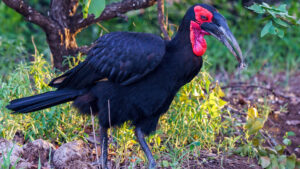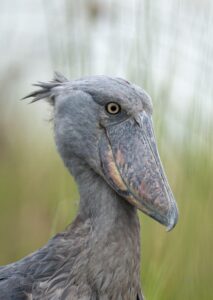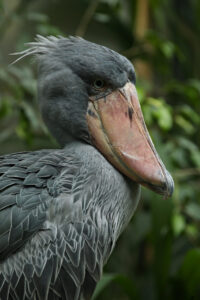
Lake bunyonyi birding spot combines stunning scenery with relaxed birding on Uganda’s deepest lake. Located near Kabale in southwestern Uganda, this beautiful crater lake is dotted with 29 islands and fringed by papyrus swamps and terraced hillsides. The lake’s calm waters, papyrus edges, and surrounding agricultural land create diverse habitats for over 200 bird species, including papyrus specialists, waterbirds, and forest edge species. Unlike the challenging forest birding of nearby Bwindi, Lake Bunyonyi offers a relaxed, scenic birding experience perfect for photographers, families, or birders seeking a rest day between forest excursions. This comprehensive guide covers the lake’s bird highlights, best locations, and essential planning information.
Lake Bunyonyi is located in southwestern Uganda, approximately 10 kilometers from Kabale town and 30 kilometers from the Bwindi Impenetrable Forest. The lake is Uganda’s deepest, reaching depths of 40-900 meters depending on the source. Its name means “place of many little birds” in the local Runyankole language, reflecting its importance for birdlife. The lake’s 29 islands, papyrus-fringed shores, and calm waters create a serene setting for birding and relaxation.
Key Features:
Uganda’s deepest lake (up to 900 meters)
29 islands dotting the lake surface
Over 200 bird species recorded
Papyrus swamps around the lake edge
Serene, calm waters perfect for canoeing
Popular stop between Bwindi and Kampala
Habitat Types:
Papyrus swamps and wetlands
Open water and lake shores
Forest edges on islands
Agricultural land and terraced hillsides
Rocky outcrops and cliffs
Lake bunyonyi birding spot targets a variety of waterbirds, papyrus specialists, and forest edge species.
Papyrus Specials:
Papyrus Gonolek: Striking red and black; papyrus swamps
Greater Swamp Warbler: Dense papyrus and reeds
White-winged Warbler: Papyrus specialist
Papyrus Yellow Warbler: Papyrus edges
Waterbirds:
African Fish Eagle: Common on the lake
Malachite Kingfisher: Brilliant blue and orange; lake edges
Pied Kingfisher: Hovering over open water
Goliath Heron: Deeper water areas
Saddle-billed Stork: Lake shores
African Jacana: Lily pads and floating vegetation
Other Notable Species:
Great Blue Turaco: Forest edges on islands
Black-billed Turaco: Island forests
African Grey Parrot: Flocks in forest areas
Crowned Crane: Wetland edges
Sunbirds: Several species on flowering trees
Canoe Trips (Morning):
The morning canoe trip offers the best opportunity for waterbird viewing and papyrus specials. The calm morning light is perfect for photography.
Viewing Tips:
Start early (7:00-8:00 AM) for calmest water
Focus on papyrus edges for Gonolek
Watch for African Fish Eagle on dead trees
Malachite Kingfisher on overhanging branches
Serene experience perfect for photographers
Island Visits:
Several of the lake’s islands can be visited by canoe or motorboat, offering access to forest edge species.
Viewing Tips:
Visit Punishment Island or Bushara Island
Forest edges for turacos
Combine with cultural visits
Less crowded than mainland
Shoreline Walks:
Walking along the lake’s shoreline offers opportunities for papyrus species and waterbirds.
Viewing Tips:
Early morning for most active birds
Focus on papyrus edges
Watch for sunbirds in flowering trees
Combine with lodge grounds birding
Access Steps to Lake Bunyonyi:
Fly to Entebbe International Airport (EBB) as your arrival point
Drive from Kampala to Kabale (approximately 6-7 hours via Mbarara)
Drive from Kabale to Lake Bunyonyi (approximately 20 minutes)
Arrange canoe trips through your lodge or local operators
Self-drive or hire a guide for shoreline birding
Accommodation Options:
Bunyonyi Overland Resort: Mid-range overlooking the lake
Bushara Island Camp: Mid-range on a forested island
BirdNest Resort: Budget-friendly with lake views
Arcadia Lodges Bunyonyi: Luxury on the lakeshore
Lake Bunyonyi Eco Resort: Mid-range eco-friendly option
December to February (Long Dry Season):
This period offers the driest conditions with calm waters and clear skies. This is the optimal period for canoe trips and photography.
June to August (Short Dry Season):
Good conditions with slightly cooler temperatures. Calm mornings for canoeing. Combine with Bwindi birding.
March to May and September to November (Rainy Seasons):
Birding is possible but water may be choppy. Lush landscapes and lower tourist numbers. Papyrus species remain active.
Best Time of Day:
Early morning (7:00-9:00 AM) for calmest water and best light. Late afternoon (4:00-6:00 PM) for photography.
How many days should I spend at Lake Bunyonyi?
One night (full day) is sufficient for most birders. This allows a morning canoe trip and afternoon relaxation.
Is Lake Bunyonyi good for bird photography?
Yes, the calm waters, good light, and cooperative birds make Lake Bunyonyi excellent for bird photography, especially for waterbirds.
Can I see Papyrus Gonolek at Lake Bunyonyi?
Yes, Papyrus Gonolek is present in the lake’s papyrus swamps. Morning canoe trips offer the best chance.
What is the best activity for birding at Lake Bunyonyi?
A morning canoe trip offers the best access to waterbirds and papyrus specials.
Is Lake Bunyonyi worth visiting just for birding?
Lake Bunyonyi is best combined with Bwindi birding as a rest day or scenic stop. The birding is good but not exceptional compared to Uganda’s premier sites.
Lake bunyonyi birding spot offers a relaxed, scenic birding experience perfect for photographers and birders seeking a break from challenging forest birding. The lake’s calm waters, papyrus edges, and 200+ bird species—including Papyrus Gonolek, Malachite Kingfisher, and African Fish Eagle—provide rewarding birding with stunning scenery. A morning canoe trip is essential for the best experience. Combine Lake Bunyonyi with Bwindi birding for a complete southwestern Uganda itinerary.
No safaris available for this destination yet.