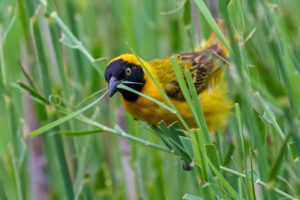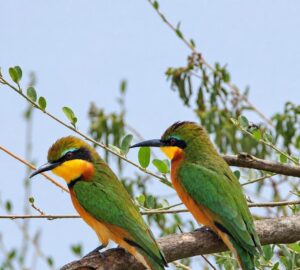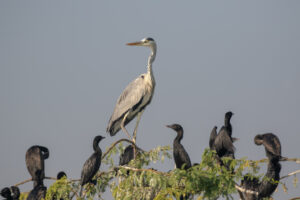
Lake victoria wetland birding explores papyrus swamps around Africa’s largest lake, offering Shoebill sightings, migratory waterbirds, and unique wetland specialists. The Ugandan portion of Lake Victoria is fringed by extensive papyrus wetlands, creating critical habitat for specialized bird species. The most famous of these wetlands is Mabamba Swamp, the world’s premier Shoebill site.
However, numerous other wetlands along the lake’s northern shores offer excellent birding with fewer visitors. This comprehensive guide covers the lake’s wetland bird highlights, best locations, and essential planning information.
Lake Victoria is Africa’s largest lake, shared by Uganda, Kenya, and Tanzania. The Ugandan portion of the lake features extensive papyrus wetlands along the northern and northwestern shores. These wetlands are designated as Ramsar sites of international importance, recognized for their exceptional biodiversity and critical habitat for threatened bird species. Mabamba Swamp is the most famous, but other wetlands offer excellent birding with fewer visitors.
Key Features:
Africa’s largest lake
Extensive papyrus wetlands along Ugandan shores
Ramsar designation for key wetlands
Premier Shoebill habitat
Papyrus specialist species
Migratory waterbird stopover site
Habitat Types:
Extensive papyrus swamps
Open water and channels
Floating vegetation mats
Mixed papyrus and reed edges
Lake shore and islands
Lake victoria wetland birding targets papyrus specialists, waterbirds, and migratory species.
Papyrus Specials:
Shoebill: Premier location at Mabamba Swamp
Papyrus Gonolek: Striking red and black; papyrus swamps
Blue Swallow: Migratory; papyrus edges
Greater Swamp Warbler: Dense papyrus
White-winged Warbler: Papyrus specialist
Papyrus Yellow Warbler: Papyrus edges
Waterbirds:
African Fish Eagle: Common along lake shores
Malachite Kingfisher: Wetland edges
Pied Kingfisher: Hovering over open water
Goliath Heron: Deeper water areas
Saddle-billed Stork: Lake shores
African Jacana: Lily pads
Migratory Waterbirds (November-April):
Wood Sandpiper: Wetland edges
Common Sandpiper: Lake shores
Ruff: Wetland areas
Little Stint: Open mudflats
Mabamba Swamp:
The premier wetland location, offering the world’s most reliable Shoebill sightings.
Viewing Tips:
Morning canoe trips (7:00-9:00 AM)
Focus on main channels for Shoebill
Papyrus Gonolek in dense papyrus
Combine with waterbird photography
Lake Victoria Wetlands (Other Sites):
Numerous other papyrus swamps along the northern shores offer excellent birding with fewer visitors.
Viewing Tips:
Early morning for most active birds
Work with local guides at each site
Less crowded than Mabamba
Good for papyrus specialists
Access Steps to Lake Victoria Wetlands:
Fly to Entebbe International Airport (EBB) as your arrival point
Drive from Entebbe or Kampala to the wetland site (30 minutes to 2 hours)
Arrange canoe trips through local guides
Visit multiple wetlands for comprehensive coverage
Return to Entebbe or Kampala for overnight
Accommodation Options:
Papyrus Guest House (Entebbe): Specializes in Shoebill-focused itineraries
Lake Victoria Serena Golf Resort (Entebbe): Luxury with extensive grounds
Airport View Hotel (Entebbe): Mid-range, convenient for airport
Karibu Guest House (Entebbe): Budget-friendly option
Kampala Forest Resort (Kampala): Good base for multiple wetlands
December to February (Long Dry Season):
This period offers the driest conditions with lower water levels, concentrating Shoebill and other waterbirds. This is the optimal period for wetland birding.
June to August (Short Dry Season):
Good conditions with slightly cooler temperatures. Shoebill viewing remains reliable. Migratory birds are absent (best November-April).
March to May and September to November (Rainy Seasons):
Birding is possible but water levels are higher. Migratory birds are present November-April. Lush vegetation.
Best Time of Day:
Early morning (7:00-9:00 AM) for most active birds and best light.
What is the best wetland for Shoebill?
Mabamba Swamp is the world’s premier Shoebill site, with success rates exceeding 95%.
Can I visit Lake Victoria wetlands without a guide?
Local guides are required at most wetland sites, including Mabamba. Guides know bird territories and provide canoes.
What other wetlands besides Mabamba are good for birding?
Several smaller papyrus swamps along Lake Victoria’s northern shores offer good birding, though Shoebill is most reliable at Mabamba.
How many days should I spend wetland birding?
One day at Mabamba is sufficient for Shoebill and papyrus specials. Additional days allow exploration of other wetlands.
Is Lake Victoria wetland birding good for photographers?
Yes, the calm waters, papyrus backgrounds, and cooperative birds make wetland birding excellent for photography.
Lake victoria wetland birding offers a unique birding experience focused on papyrus specialists and waterbirds. Mabamba Swamp is the premier location, offering the world’s most reliable Shoebill sightings alongside Papyrus Gonolek and other wetland specials. The lake’s extensive wetlands are also critical habitat for migratory waterbirds and resident species. Whether you focus on Mabamba or explore lesser-known wetlands, Lake Victoria’s papyrus swamps deliver unforgettable birding. Plan your visit during dry seasons, start early for the best light, and prepare to discover the unique birds of Africa’s largest lake.
No safaris available for this destination yet.