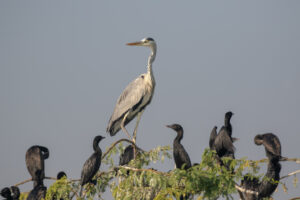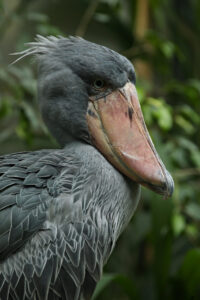
Mgahinga gorilla national park protects Uganda’s portion of the Virunga Mountains, a chain of extinct volcanoes that host some of the Albertine Rift’s most spectacular bird species. Located in southwestern Uganda on the borders of Rwanda and Democratic Republic of Congo, this small park covers just 33.7 square kilometers but offers access to high-altitude habitats including montane forest, bamboo zone, and alpine moorland. The park’s bird list includes Rwenzori Turaco, Grauer’s Warbler, Handsome Francolin, and other Albertine Rift endemics that are difficult or impossible to see elsewhere. This comprehensive guide covers the park’s birding highlights, best locations, and essential planning information.
Mgahinga Gorilla National Park is Uganda’s smallest national park, covering 33.7 square kilometers on the slopes of the Virunga Mountains. The park protects three volcanoes—Mount Muhabura (4,127 m), Mount Gahinga (3,474 m), and Mount Sabyinyo (3,645 m)—creating a dramatic landscape of forest, bamboo, and moorland. While famous for mountain gorilla trekking, the park is equally valuable for birders seeking high-altitude Albertine Rift endemics found in few other locations.
Key Features:
33.7 square kilometers of protected area
Three volcanic peaks over 3,400 meters
Bamboo zone habitat for endemics
Golden monkey tracking available
Accessible from Kisoro town
Combines well with Bwindi birding
Habitat Types:
Montane moist forest
Bamboo zone (2,200-2,800 meters)
Alpine moorland (above 3,000 meters)
Forest edges and clearings
Mgahinga gorilla national park birding targets high-altitude Albertine Rift endemics found in few other locations.
Albertine Rift Endemics:
Rwenzori Turaco: Spectacular green, blue, and red plumage; bamboo zone and montane forest
Grauer’s Warbler: Bamboo zone specialist; found in dense bamboo stands
Handsome Francolin: Forest floor and bamboo edges
Kivu Ground Thrush: Montane forest understory
Rwenzori Batis: Montane forest canopy
Archer’s Ground Robin: Rare and elusive; bamboo zone
Stripe-breasted Tit: Higher elevation montane forest
Other Notable Species:
African Fish Eagle: Lower elevation areas
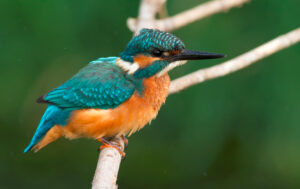
Malachite Kingfisher: Streams and wetland edges
Black Saw-wing: Open areas and forest edges
Montane sunbirds: Several species
Bamboo Zone Trail:
The bamboo zone on the lower slopes of the volcanoes is the most productive area for Grauer’s Warbler and Handsome Francolin.
Viewing Tips:
Early morning (7:00-9:00 AM) for most active birds
Listen for Grauer’s Warbler’s distinctive descending song
Watch for Handsome Francolin on bamboo edges
Work with experienced guides who know territories
Combine with golden monkey tracking
Montane Forest Trail:
The forested lower slopes host Rwenzori Turaco, Kivu Ground Thrush, and other montane species.
Viewing Tips:
Early morning for canopy activity
Watch for Rwenzori Turaco in fruiting trees
Listen for the distinctive turaco calls
Patience essential for ground thrush sightings
Gorilla Trekking Areas:
The same trails used for gorilla tracking offer excellent birding opportunities, though the focus during tracking is on the gorillas.
Viewing Tips:
Book gorilla tracking for forest access
Bird while walking to and from gorilla groups
Early morning starts coincide with peak bird activity
Combine birding with gorilla photography
Access Steps to Mgahinga Gorilla National Park:
Fly to Entebbe International Airport (EBB) as your arrival point
Drive from Kampala to Kisoro (approximately 8-9 hours via Kabale)
Take a domestic charter flight from Entebbe to Kisoro airstrip (1.5 hours)
Enter the park through the main gate near the town of Kisoro
Arrange birding walks or gorilla tracking through your lodge or the park headquarters
Accommodation Options:
Mount Gahinga Lodge: Luxury at the park boundary
Mgahinga Safari Lodge: Mid-range near the park
Virunga Hotel Kisoro: Budget-friendly in Kisoro town
Amajambere Iwacu Community Camp: Community-run budget option
Travelers Rest Hotel: Historic hotel in Kisoro
December to February (Long Dry Season):
This period offers the driest conditions with clear skies and good visibility. Bamboo zone trails are accessible, and bird activity is concentrated. This is the optimal period for birding.
June to August (Short Dry Season):
Good conditions with slightly cooler temperatures. The bamboo zone is accessible, and resident birds are often in breeding plumage. Combine with Bwindi birding.
March to May and September to November (Rainy Seasons):
Birding is possible but trails become muddy. The bamboo zone may be challenging. However, lower tourist numbers offer exclusive experiences. Grauer’s Warbler may be more vocal.
Best Time of Day:
Early morning (7:00-9:00 AM) for most active birds. The bamboo zone is most productive in early morning.
How many days should I spend birding in Mgahinga?
One to two days is sufficient for the bamboo zone endemics. Combine with Bwindi for a comprehensive Albertine Rift birding experience.
What is the best location for Grauer’s Warbler in Mgahinga?
The bamboo zone trail on the lower slopes of Mount Muhabura is the most reliable location for Grauer’s Warbler.
Can I combine gorilla trekking with birding at Mgahinga?
Yes, gorilla tracking permits ($800) provide forest access. Bird while walking to and from the gorilla groups.
Do I need a guide for birding in Mgahinga?
Yes, a guide is required for all park activities, including birding walks. Guides know bamboo zone territories for endemics.
Is Mgahinga worth visiting just for birding?
Yes, Mgahinga offers unique bamboo zone and high-altitude species not found elsewhere in Uganda, making it valuable for serious birders targeting Albertine Rift endemics.
Mgahinga gorilla national park offers a unique birding experience focused on high-altitude Albertine Rift endemics. The bamboo zone is essential for Grauer’s Warbler, while the montane forest hosts Rwenzori Turaco and Handsome Francolin. Though small, the park’s specialized habitats make it a valuable addition to any Albertine Rift birding itinerary. Combine Mgahinga with Bwindi for comprehensive coverage of the region’s endemics, and prepare for the unique experience of birding on the slopes of the Virunga volcanoes.