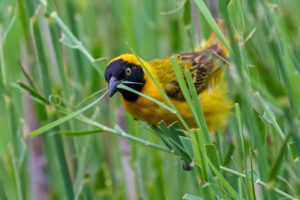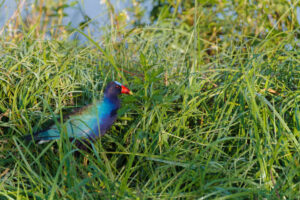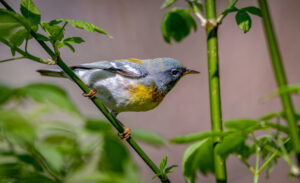
Semuliki national park birding delivers Congo Basin forest species found nowhere else in Uganda, making it an essential destination for serious birders seeking a complete East African bird list. Located at the base of the Rwenzori Mountains on the border with Democratic Republic of Congo, Semuliki protects 220 square kilometers of lowland tropical forest that is an extension of the vast Ituri Forest.
The park’s bird list exceeds 400 species, including 40 that occur nowhere else in Uganda, such as the Nkulengu Rail, Congo Serpent Eagle, and Yellow-throated Nicator. This comprehensive guide covers the park’s unique birds, best locations, and essential planning information.
Semuliki National Park is located in western Uganda, approximately 300 kilometers from Kampala. The park protects 220 square kilometers of lowland tropical forest at the base of the Rwenzori Mountains. Unlike other Ugandan forests, Semuliki is an extension of the Congo Basin’s Ituri Forest, resulting in a bird community with strong Central African affinities. The park’s low elevation (670-760 meters) and proximity to the Rwenzori Mountains create a unique mix of species.
Key Features:
220 square kilometers of lowland forest
Extension of the Congo Basin’s Ituri Forest
40 bird species found nowhere else in Uganda
Over 400 bird species recorded
Hot springs and palm forest habitat
Remote, less-visited park
Habitat Types:
Lowland tropical rainforest
Palm forest and swamp forest
Riverine forest along the Semuliki River
Hot springs with unique vegetation
Forest edges and clearings
Semuliki national park birding targets Congo Basin species that reach the eastern limit of their range here.
Congo Basin Specials (40 species):
Nkulengu Rail: Extremely secretive; most reliable in Semuliki
Congo Serpent Eagle: Forest canopy; Central African species
Yellow-throated Nicator: Loud call; forest understory
Black-casqued Hornbill: Large, distinctive call
White-crested Hornbill: Forest canopy
Red-billed Dwarf Hornbill: Small hornbill species
African Piculet: Tiny woodpecker; forest understory
Lyre-tailed Honeyguide: Parasitic honeyguide species
Other Notable Species:
Great Blue Turaco: Common in forest canopy
Black-billed Turaco: Forest edges
Piping Hornbill: Common in forest canopy
African Grey Parrot: Flocks in canopy
Blue-breasted Kingfisher: Forest streams
Chocolate-backed Kingfisher: Forest understory
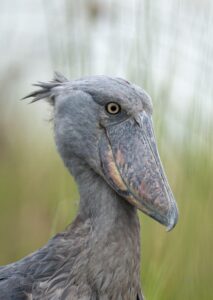
Shoebill:
Semuliki’s eastern wetlands occasionally host Shoebill, though sightings are less reliable than at Mabamba or Murchison Falls.
Kirumia River Trail:
This 13-kilometer trail (one way) follows the Kirumia River through excellent forest habitat and is the best location for many Congo Basin specials.
Viewing Tips:
Start early (7:00-8:00 AM) for most active birds
Focus on the first 2-3 kilometers for most species
Listen for the distinctive calls of Congo specials
Watch for hornbills in the canopy
Work with experienced guides who know territories
Main Track and Forest Edges:
The main road and forest edges near the park headquarters offer accessible birding for those with limited time.
Viewing Tips:
Early morning along the main track
Forest edges for turacos and hornbills
Watch for African Grey Parrot flocks
Combine with hot springs visit
Hot Springs Area:
The hot springs and surrounding palm forest offer unique birding for species associated with this specialized habitat.
Viewing Tips:
Afternoon visit when hot springs area is accessible
Palm forest for specialized species
Combine with main forest birding
Access Steps to Semuliki National Park:
Fly to Entebbe International Airport (EBB) as your arrival point
Drive from Kampala to Semuliki (approximately 6-7 hours via Fort Portal)
Take a domestic charter flight from Entebbe to Fort Portal or Semuliki airstrip
Enter the park through the main gate near Sempaya
Arrange birding walks through your lodge or the park headquarters
Accommodation Options:
Semuliki Safari Lodge: Luxury within the park
Ntoroko Game Lodge: Mid-range near the park
Kirumia River Camp: Basic camping near the trailhead
Mountains of the Moon Hotel (Fort Portal): Base before or after Semuliki
December to February (Long Dry Season):
This period offers the driest conditions with clearer trails. Forest birds are active, and the Kirumia River Trail is more accessible. This is the optimal period for birding.
June to August (Short Dry Season):
Good conditions with slightly cooler temperatures. Trails are generally accessible, though occasional light rains occur. Good for Congo Basin specials.
March to May and September to November (Rainy Seasons):
Birding is possible but trails become muddy. The Kirumia River Trail may be challenging. However, fewer visitors offer exclusive experiences.
Best Time of Day:
Early morning (7:00-9:00 AM) for most active forest birds. The Kirumia River Trail should be started at dawn.
How many Congo Basin specials can I see in Semuliki?
With 2-3 days of birding and an experienced guide, you can expect to see 20-25 of the 40 species found nowhere else in Uganda.
What is the most sought-after bird in Semuliki?
The Nkulengu Rail is perhaps the most sought-after, though it is extremely secretive. Congo Serpent Eagle and Yellow-throated Nicator are also top targets.
Do I need a guide for birding in Semuliki?
Yes, a guide is required for forest walks. Experienced guides know territories for the Congo Basin specials.
How many days should I spend birding in Semuliki?
A minimum of 2 nights (1.5 days) is recommended. For comprehensive coverage, 3-4 nights allows time to explore the Kirumia River Trail thoroughly.
Is Semuliki worth visiting for birders?
Yes, Semuliki is essential for serious birders seeking a complete Uganda bird list. The 40 Congo Basin species found nowhere else in the country make it a must-visit.
Semuliki national park birding is essential for serious birders seeking a complete Uganda bird list. The park’s 40 Congo Basin species—including Nkulengu Rail, Congo Serpent Eagle, and Yellow-throated Nicator—occur nowhere else in the country. The Kirumia River Trail offers the best access to these Central African specials, while the hot springs area provides unique palm forest birding. Though remote, Semuliki’s unique bird community makes it a must-visit destination for any birder targeting the full diversity of Ugandan birds.
No safaris available for this destination yet.