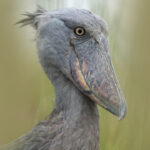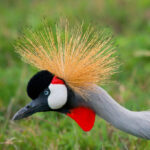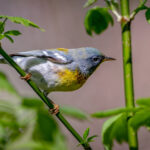
Capturing Uganda’s spectacular birdlife requires thoughtful equipment selection that balances reach, portability, and reliability. This birding photography equipment guide provides comprehensive recommendations for cameras, lenses, support systems, and accessories suited to Uganda’s diverse habitats—from misty montane forests to sun-drenched savannah plains and papyrus swamps. Whether you are a seasoned professional or an enthusiastic amateur, the right gear ensures you return with images that do justice to the extraordinary avian subjects found only in the Pearl of Africa. Proper preparation also means understanding the specific challenges of each environment and selecting equipment that performs reliably under field conditions.
Camera Bodies: Selecting the Right System
Your choice of camera body significantly influences your bird photography experience. Several factors deserve careful consideration.
Sensor Size and Resolution
Full-frame sensors excel in low-light forest conditions where high ISO performance is essential. They also provide shallower depth of field for subject isolation. Crop-sensor cameras (APS-C or Micro Four Thirds) offer the advantage of extended reach, effectively multiplying focal length by 1.5x or 2x—a significant benefit for bird photography where distance is often limiting.
Recommended Cameras for Bird Photography:
-
Full-frame: Canon EOS R5 or R6 Mark II, Sony A7R V or A9 III, Nikon Z8 or Z9
-
Crop-sensor: Canon EOS R7, Sony A6700, Fujifilm X-H2S, OM System OM-1
Key Features to Prioritize:
-
Excellent high ISO performance for forest conditions
-
Fast and reliable autofocus with bird-eye detection
-
High burst rates (10+ frames per second) for action sequences
-
Weather sealing for humid and dusty environments
-
Dual card slots for backup during critical shoots
Lenses: The Heart of Bird Photography
Lens selection arguably matters more than any other equipment choice. Uganda’s birds range from the massive Shoebill that may allow close approach to tiny forest warblers in dense canopy, demanding different focal lengths for different situations.
Telephoto Lenses (400-600mm)
This is your primary bird photography lens. A 400mm f/2.8 or 500mm f/4 provides exceptional image quality and light-gathering ability. For those seeking more portability, 100-400mm or 200-600mm zooms offer flexibility at lower cost and weight.
Recommended Telephoto Options:
-
Professional: Canon RF 400mm f/2.8 or 600mm f/4, Sony FE 400mm f/2.8 or 600mm f/4
-
Prosumer: Canon RF 100-500mm f/4.5-7.1, Sony FE 200-600mm f/5.6-6.3, Nikon Z 180-600mm f/5.6-6.3
-
Budget: Sigma or Tamron 150-600mm lenses in appropriate mounts
Zoom Lenses (70-200mm or 100-400mm)
A versatile zoom complements your telephoto, capturing environmental portraits, birds in flight, and larger species. A 70-200mm f/2.8 excels in forest understory where light is limited, while a 100-400mm provides additional reach.
Wide-Angle Lenses (16-35mm or 24-70mm)
Essential for habitat shots, sunrise and sunset scenes, and the occasional close bird encounter. A wide zoom also works well for group photos and documenting your overall experience.
Birding Photography Equipment Guide: Support Systems
Stable support is crucial for sharp images, particularly with long telephoto lenses in challenging conditions.
Tripods
A sturdy tripod provides maximum stability for extended sessions. Look for carbon fiber construction for weight savings. Important features include:
-
Load capacity sufficient for your heaviest lens
-
Four-section legs for compact packing
-
Twist locks for quick setup
-
Removable center column for low-angle shooting
Recommended Tripods:
Gitzo GT3543LS, Really Right Stuff TVC-34L, or comparable models from Manfrotto or Leofoto.
Gimbal Heads
For large telephoto lenses, a gimbal head provides smooth movement and perfect balance. Wimberley, Really Right Stuff, and Benro offer excellent options.
Monopods and Beanbags
Many Uganda birding situations favor mobility over ultimate stability. A carbon fiber monopod with a tilt head offers quick setup and good stability. Beanbags are essential for boat-based photography at Mabamba Swamp and the Kazinga Channel, providing stable support on unstable platforms.
Accessories for Success
The right accessories ensure your equipment performs reliably throughout your safari.
Memory Cards
Bring more capacity than you expect. For a two-week safari, 256-512GB of total capacity across multiple cards is recommended. Use fast cards (UHS-II or CFexpress) to clear buffers quickly during action sequences. Always use dual cards for redundancy.
Batteries and Charging
Expect to shoot heavily. Bring at least 3-4 fully charged batteries for your camera body. Consider a power bank with AC outlet capability for charging in vehicles or lodges with unreliable power.
Filters and Lens Protection
A clear or UV filter protects your front lens element from dust, moisture, and impacts. A polarizing filter reduces glare on water surfaces and enriches colors, particularly useful for wetland and waterbird photography.
Cleaning Supplies
Dust, humidity, and moisture are constants in field conditions. Pack:
-
Lens cleaning fluid and microfiber cloths
-
Rocket blower for removing dust
-
Sensor cleaning kit for emergencies
-
Lens pen for quick cleaning
-
Desiccant packs for controlling humidity in camera bags
Specialized Gear for Forest Conditions
Uganda’s forests present unique photographic challenges that require specific preparation.
Fast Lenses
Forest understory light levels can be extremely low. Lenses with maximum apertures of f/2.8 or wider allow faster shutter speeds and better autofocus performance. Consider fast primes like 300mm f/2.8 or 400mm f/2.8 for Bwindi and Kibale.
High ISO Performance
Modern cameras with excellent high ISO capabilities are essential. Be comfortable shooting at ISO 3200-6400 in forest conditions. Noise reduction software can clean up images post-processing.
Rain Protection
Rain can arrive unexpectedly. Weather-sealed equipment is essential. Additionally, pack:
-
Camera rain covers (Think Tank, AquaTech)
-
Lens coats for camouflage and protection
-
Silica gel for drying equipment overnight
Camouflage
Forest birds are often wary. Consider:
-
Camouflage lens wraps or lens coats
-
Neutral-colored camera bodies (if available)
-
Camouflage netting for hides
Boat-Based Photography Gear
Mabamba Swamp and the Kazinga Channel require specialized considerations for photography from unstable platforms.
Stabilization
A sturdy beanbag is the most practical support for boat photography. It dampens vibration, protects your gear from the boat surface, and allows quick repositioning. Fill with rice or synthetic beads for travel.
Lens Selection
A 100-400mm or 200-600mm zoom offers flexibility for varying distances. For Shoebill in papyrus channels, 300-400mm is typically sufficient. For waterbirds on the Kazinga Channel, longer focal lengths up to 600mm are beneficial.
Weather Sealing
Water splashes are inevitable, especially in open boats. Ensure your camera and lens have professional-grade weather sealing. Bring a waterproof cover or dry bag for equipment when not in use.
Wide-Angle Options
A wide-angle lens captures environmental context—the Shoebill in papyrus, the Nile River backdrop, or dramatic skyscapes. A 24-70mm or 16-35mm works well for these compositions.
Packing and Transport Considerations
Practical logistics for traveling with photography equipment require planning.
Camera Bag Selection
Choose a bag that fits as carry-on luggage for international flights. Look for:
-
40-45 liter capacity maximum for overhead bins
-
Padded compartments for body and lenses
-
Weather-resistant materials
-
Comfortable harness for long days
Recommended Bags:
Think Tank Airport International, Lowepro Pro Trekker, or similar professional travel backpacks.
International Travel
-
Keep all camera gear in carry-on luggage
-
Carry battery packs in fireproof bags for airline compliance
-
Consider travel insurance that covers photography equipment
-
Bring printed copies of equipment serial numbers and purchase receipts
Field Daypack
A smaller daypack holds essentials during birding excursions:
-
One body and 1-2 lenses (based on day’s target)
-
Extra batteries and memory cards
-
Water and snacks
-
Lens cleaning supplies
-
Rain cover
Frequently Asked Questions
What is the minimum lens focal length for Uganda bird photography?
A 400mm lens is the practical minimum for most bird photography. For forest birds, 400-600mm is ideal. For Shoebill and waterbirds, 300-400mm often suffices due to closer approach.
Should I bring a tripod to Uganda?
Yes, a tripod is valuable for forest birding and waterbird photography. However, a monopod or beanbag may be more practical for mobile birding. Many photographers bring both a tripod for basecamp sessions and a monopod for walking.
How do I protect my gear from humidity and dust?
Store equipment in sealed bags with desiccant packs overnight. Clean gear daily. Weather-sealed equipment is strongly recommended. Avoid changing lenses in dusty or humid conditions.
Is it safe to travel with expensive camera equipment in Uganda?
Yes, with standard precautions. Keep gear with you at all times. Use the hotel safe for backup gear when not needed. Most lodges are accustomed to photographers and provide secure storage.
What is the best camera bag for Uganda birding?
A backpack-style bag that fits as carry-on is ideal. Look for weather resistance, comfortable harness, and quick-access side openings. Many birders use a smaller daypack for daily excursions and a larger bag for transit.
Conclusion
Proper equipment selection ensures you capture Uganda’s extraordinary birdlife at its finest. This birding photography equipment guide has outlined the essential gear—from camera bodies and lenses to support systems and accessories—needed for success across Uganda’s diverse habitats. Remember that the best equipment is the equipment you know how to use effectively. Prioritize reliability, practice with your gear before departure, and consider renting specialized lenses for your safari rather than purchasing if budget is a concern. With thoughtful preparation, you will return with images that showcase the incredible avian diversity of the Pearl of Africa.