Special Birds of the Albertine Rift Endemics

For many birdwatchers, there are certain species that become lifelong ambitions—birds so rare, elusive, and geographically restricted that seeing them marks a defining moment in a birding career. These “life birds” often require years of planning, multiple expeditions, and a little patience before they are finally added to a life list.

Uganda, located in the heart of the Albertine Rift, offers one of the world’s greatest opportunities to encounter these extraordinary species. Home to over 1,090 recorded bird species, including more than 24 Albertine Rift endemics, Uganda has earned its reputation as Africa’s premier birding destination.

Whether your goal is to observe the legendary Grauer’s Broadbill, the secretive Green-breasted Pitta, or the elusive Shelley’s Crimsonwing, Uganda provides some of the best opportunities anywhere in the world.

Explore our carefully designed Uganda Birding Tours:
https://www.ugandabirdingtours.com/tours/

What Makes the Albertine Rift So Special?

Stretching from Uganda through Rwanda, Burundi, the Democratic Republic of Congo, and Tanzania, the Albertine Rift forms the western branch of the East African Rift Valley. It is recognized as one of Africa’s most important biodiversity hotspots due to its remarkable concentration of endemic plants and animals.

Uganda protects a significant portion of this unique ecosystem through national parks such as Bwindi Impenetrable National Park, Mgahinga Gorilla National Park, Rwenzori Mountains National Park, and Semuliki National Park. These protected areas preserve ancient montane forests that have remained relatively unchanged for thousands of years, creating ideal habitats for many bird species found nowhere else on Earth.

For birdwatchers, this means exceptional opportunities to observe species that cannot be seen outside the Albertine Rift.

Learn more about Uganda’s remarkable bird diversity in our Uganda Bird Species Checklist Guide:
https://www.ugandabirdingtours.com/uganda-bird-species-checklist-guide/


Uganda: Africa’s Ultimate Destination for Endemic Birds

Uganda combines accessibility, excellent infrastructure, experienced bird guides, and diverse habitats, making it the best country for exploring the Albertine Rift.

Unlike neighboring countries where endemic species may be scattered across remote locations, Uganda allows visitors to experience multiple endemic hotspots during a single birding expedition.

Many birders combine:

Uganda’s Most Sought-After Albertine Rift Endemics

Below are some of the species that inspire birders from around the world to visit Uganda.

Common Name Scientific Name Why Birders Love It
Grauer’s Broadbill Pseudocalyptomena graueri One of Africa’s rarest forest birds
Green-breasted Pitta Pitta reichenowi Spectacular colours and elusive behaviour
Shelley’s Crimsonwing Cryptospiza shelleyi A dream species for experienced birders
Grauer’s Warbler Graueria vittata Albertine Rift endemic
Handsome Francolin Pternistis nobilis High-altitude forest specialist
Dusky Crimsonwing Cryptospiza jacksoni Rare montane finch
Rwenzori Turaco Ruwenzorornis johnstoni Iconic Albertine Rift species
Bar-tailed Trogon Apaloderma vittatum Brilliant forest trogon
Chapin’s Flycatcher Fraseria lendu Difficult and rewarding
Neumann’s Warbler Hemitesia neumanni Secretive undergrowth specialist

Grauer’s Broadbill

Grauer’s Broadbill ranks among Africa’s most coveted bird species. Restricted to high-altitude forests within the Albertine Rift, it is one of Uganda’s flagship endemic birds.

The Ruhija Sector of Bwindi Impenetrable National Park offers one of the best opportunities to search for this remarkable species. Success depends heavily on experienced local bird guides who understand the bird’s preferred territories and seasonal movements.


Green-breasted Pitta

Among Africa’s pittas, none attracts more attention than the Green-breasted Pitta.

Its dazzling plumage and secretive behaviour have made it one of the continent’s most desired birds.

The best opportunities occur within Kibale National Park, particularly during the breeding season when males become more vocal.


Shelley’s Crimsonwing

Shelley’s Crimsonwing remains one of Uganda’s greatest birding challenges.

Living deep within dense montane forests, this elusive finch rewards patience, persistence, and expert guiding.

Birders searching for Shelley’s Crimsonwing usually focus on Bwindi’s Ruhija trails during early morning hours when activity levels are highest.


Other Incredible Birds to Watch For

While the Albertine Rift endemics are major highlights, Uganda also offers opportunities to encounter many globally celebrated species.

Some favourites include:

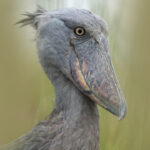
  • Shoebill
  • African Green Broadbill
  • African Pitta
  • Great Blue Turaco
  • Fox’s Weaver
  • White-crested Turaco
  • Black Bee-eater
  • Papyrus Gonolek
  • African Fish Eagle
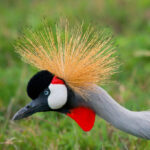
  • Grey Crowned Crane

Each species contributes to Uganda’s reputation as one of the world’s finest birdwatching destinations.


Best Places to Find Albertine Rift Endemics

Bwindi Impenetrable National Park

The most important destination for Albertine Rift endemics.

Highlights include:

  • Grauer’s Broadbill
  • Shelley’s Crimsonwing
  • Handsome Francolin
  • Dusky Crimsonwing
  • Rwenzori Batis
  • Grauer’s Warbler

Kibale National Park

Best known for:

  • Green-breasted Pitta
  • Yellow-spotted Barbet
  • Great Blue Turaco
  • Primates including chimpanzees

Semuliki National Park

Famous for Central African forest species including:

  • Nkulengu Rail
  • Black Dwarf Hornbill
  • White-crested Hornbill
  • Lyre-tailed Honeyguide

Bird Photography in Uganda

Uganda has become one of Africa’s leading bird photography destinations thanks to:

  • Excellent forest access
  • Colourful bird species
  • Experienced bird photography guides
  • Diverse habitats
  • Good natural lighting throughout the year

Read our complete guide:

Best Birding Photography Spots in Uganda

https://www.ugandabirdingtours.com/best-birding-photography-spots-uganda/


Conservation Matters

Every birding safari contributes to conservation.

Tourism supports:

  • National park management
  • Community conservation
  • Habitat protection
  • Bird monitoring
  • Local employment
  • Wildlife research

Learn more from:

Uganda Wildlife Authority
https://ugandawildlife.org/

BirdLife International
https://www.birdlife.org/


Best Time to Search for Albertine Rift Endemics

The dry seasons generally provide the best birding conditions.

June – August

Ideal for mountain forest birding.

December – February

Excellent weather and active birdlife.

Migratory birds also arrive between November and April, adding even greater diversity.


Why Choose Uganda Birding Tours?

Our experienced bird guides specialize in:

  • Albertine Rift Endemics
  • Bird Photography Safaris
  • Private Birding Tours
  • Tailor-Made Birdwatching Holidays
  • Mammal Watching Safaris
  • Gorilla & Birding Combinations
  • Conservation Travel

Whether you’re pursuing your first African life bird or completing an ambitious endemic checklist, we design itineraries that maximize your opportunities while supporting responsible tourism and conservation.

Explore our birding safaris:
https://www.ugandabirdingtours.com/tours/

Contact our team:
https://www.ugandabirdingtours.com/contact-us/


Final Thoughts

The Albertine Rift is one of the world’s greatest treasures for birdwatchers. Its ancient forests shelter some of Africa’s rarest and most sought-after birds, offering experiences that few destinations can match.

From the elusive Grauer’s Broadbill to the vibrant Green-breasted Pitta and the mysterious Shelley’s Crimsonwing, every encounter is a reminder of the extraordinary biodiversity that makes Uganda truly exceptional.

Whether you are a seasoned birder, wildlife photographer, or conservation traveller, Uganda promises a journey filled with unforgettable sightings, spectacular landscapes, and the opportunity to contribute to the protection of one of Africa’s richest ecosystems.

Leave a Reply

Your email address will not be published. Required fields are marked *

📋 QUOTE