Understanding Uganda birding safari costs is essential for planning a trip that aligns with your budget while delivering the birding experience you envision. Uganda offers options across a wide spectrum, from budget-friendly camping safaris to luxury lodge experiences, with transparent pricing structures that reflect the quality of accommodations, guiding expertise, and included services. This comprehensive breakdown covers all cost components—park fees, permits, accommodation, transport, guides, and extras—helping you budget accurately and avoid unexpected expenses. Whether you are a solo traveler on a tight budget or planning a premium photographic expedition, understanding these costs ensures your birding safari meets both your financial and birding expectations.
Core Cost Components
Several elements contribute to the total cost of a birding safari. Understanding each component helps you make informed decisions about where to allocate your budget.
Park Entry Fees
Uganda Wildlife Authority charges entry fees per person per 24-hour period. These fees support conservation efforts and park management.
| Park | Foreign Non-Resident | Foreign Resident | East African Citizen |
|---|---|---|---|
| Bwindi Impenetrable | $100 | $80 | UGX 20,000 |
| Murchison Falls | $45 | $35 | UGX 15,000 |
| Queen Elizabeth | $45 | $35 | UGX 15,000 |
| Kibale | $45 | $35 | UGX 15,000 |
| Lake Mburo | $40 | $30 | UGX 10,000 |
| Mgahinga | $100 | $80 | UGX 20,000 |
Vehicle Entry Fees: $10-20 per vehicle per 24 hours, depending on park.
Activity Fees
Beyond park entry, specific activities require additional fees:
-
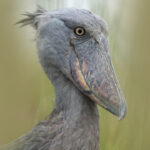
Shoebill Canoe (Mabamba): $20-30 per person
-
Kazinga Channel Boat Cruise: $30 per person
-
Murchison Falls Delta Boat Cruise: $30-40 per person
-
Chimpanzee Tracking (Kibale): $250 per person
-
Gorilla Trekking (Bwindi/Mgahinga): $800 per person
Uganda Birding Safari Costs: Accommodation
Accommodation represents one of the largest cost variables. Uganda offers options spanning budget to ultra-luxury.
Budget Accommodation ($30-80 per person per night)
Budget options include community-run campsites, basic bandas (simple cottages), and dormitory-style lodging. These provide essential shelter and often include shared bathroom facilities. Many budget travelers combine camping with self-catering to reduce costs.
Examples:
-
Red Chilli Hideaway (Kampala/Entebbe)
-
Murchison Falls Public Campsite
-
Kibale Forest Camp (basic bandas)
-
Bwindi Community Rest Camp
Mid-Range Accommodation ($100-250 per person per night)
Mid-range lodges offer comfortable rooms with en-suite facilities, good food, and often strategic locations near prime birding areas. Most include breakfast and dinner in their rates. This category represents the best value for most birders.
Examples:
-
Engiri Game Lodge (Lake Mburo)
-
Ihamba Lakeside Safari Lodge (Queen Elizabeth)
-
Kibale Forest Camp (upgraded rooms)
-
Buhoma Community Rest Camp (Bwindi)
Luxury Accommodation ($300-800 per person per night)
Luxury lodges provide premium experiences with spacious rooms, exceptional cuisine, expert guiding, and prime locations adjacent to birding hotspots. Many include all meals, drinks, and often laundry service.
Examples:
-
Nile Safari Lodge (Murchison Falls)
-
Kyaninga Lodge (Kibale)
-
Sanctuary Gorilla Forest Camp (Bwindi)
-
Ishasha Wilderness Camp (Queen Elizabeth)
Guiding and Transportation
Professional guides and reliable transport are essential investments for a successful birding safari.
Guide Fees
Birding guides significantly enhance species counts and identification accuracy.
-
Park-required guides: $20-30 per group per walk
-
Specialist birding guides: $50-100 per day
-
Private driver-guide: $40-70 per day plus accommodation
Transportation
A 4×4 safari vehicle with pop-up roof is essential for birding. Costs vary based on vehicle quality and included services.
Vehicle Rental Options:
-
Self-drive 4×4: $80-120 per day
-
4×4 with driver-guide: $150-250 per day (including fuel, driver accommodation, and park entry for driver)
-
Luxury safari vehicle with specialized guide: $300-500 per day
Fuel Costs:
Uganda’s fuel prices average $5-6 per gallon. A typical 10-day safari covering 1,500-2,000 kilometers requires $300-400 in fuel for self-drive arrangements.
Sample Itinerary Costs
These sample budgets provide realistic cost estimates for different travel styles.
Budget 7-Day Birding Safari ($1,500-2,000 per person)
-
Accommodation: Budget camping and bandas ($40/day)
-
Park entry fees: $150
-
Activity fees: $60 (Shoebill canoe, boat cruise)
-
Guide fees: $200 (shared)
-
Vehicle: Self-drive rental ($100/day)
-
Food and misc: $150
This budget assumes sharing accommodation and vehicle with 2-3 other birders.
Mid-Range 10-Day Birding Safari ($3,500-4,500 per person)
-
Accommodation: Mid-range lodges ($150/day)
-
Park entry fees: $250
-
Activity fees: $100
-
Specialist birding guide: $500
-
4×4 with driver-guide: $200/day
-
Food and misc: $200
-
Internal flights (optional): $300-500
This budget provides comfortable accommodations and professional guiding throughout.
Luxury 12-Day Birding Safari ($8,000-12,000 per person)
-
Accommodation: Luxury lodges ($500/day)
-
Park entry and activities: $400
-
Private expert birding guide: $1,200
-
Premium 4×4 with dedicated guide: $350/day
-
Internal charter flights: $1,500
-
All meals, drinks, and premium services included
This budget delivers the ultimate birding experience with exceptional accommodations and expert personalized guiding.
Hidden Costs and Extras
Several expenses are often overlooked in initial budgeting.
Visa Fees
-
Single entry visa: $50
-
East Africa Tourist Visa (Uganda, Kenya, Rwanda): $100
Gratuities
Tipping is customary and appreciated:
-
Guides: $15-25 per day per group
-
Drivers: $10-15 per day
-
Lodge staff: $5-10 per day
Equipment and Gear
-
Binocular rental: $10-20 per day
-
Camera gear rental: $50-100 per day
-
Field guide purchase: $40-60
Insurance
-
Comprehensive travel insurance with medical evacuation: $100-200
-
Equipment insurance: variable based on gear value
Uganda Birding Safari Costs by Season
Timing your visit significantly affects costs.
Peak Season (December-February, June-August)
-
Accommodation rates at highest levels
-
10-20% premium on most services
-
Early booking essential (6-12 months)
Shoulder Season (March, September-November)
-
10-30% lower accommodation rates
-
Good availability for last-minute bookings
-
Excellent birding with fewer tourists
Low Season (April-May, October)
-
30-50% lower accommodation rates
-
Many lodges offer “rainy season specials”
-
Some facilities close for maintenance
Saving Strategies
Several approaches can reduce your Uganda birding safari costs without compromising quality.
Group Travel
Joining a group spreads vehicle and guide costs across multiple participants. Group tours typically save 20-40% compared to private arrangements. The 7-Day Affordable Group Birding Safari exemplifies this approach.
Extended Stays
Multi-night stays at single locations often qualify for discounted rates. Many lodges offer 10-20% discounts for stays of 3 nights or longer.
Self-Catering
Preparing some meals reduces food costs. Budget accommodations with kitchen facilities allow significant savings for longer stays.
Booking Direct
Working directly with local operators rather than international agents often reduces costs by 15-25%. Reputable local companies provide the same services at more competitive rates.
Shoulder Season Travel
Visiting during March or September-November offers excellent birding with substantially lower costs than peak season.
Frequently Asked Questions
What is the average cost of a 10-day birding safari in Uganda?
A mid-range 10-day safari costs $3,500-4,500 per person sharing. Budget options range from $1,500-2,500, while luxury safaris range from $7,000-12,000.
Are park entry fees included in tour packages?
Reputable tour operators include park entry fees in their quoted prices. Always confirm what is included before booking.
Do I need to tip guides separately from the tour cost?
Yes, gratuities are separate and appreciated. Most travelers budget 5-10% of total tour cost for tips distributed among guides, drivers, and lodge staff.
Can I reduce costs by self-driving?
Self-driving reduces costs but requires confidence navigating Uganda’s roads. Vehicle rental, fuel, and park entry fees remain. Many find the added value of a driver-guide worth the additional cost.
What payment methods are accepted?
Most tour operators accept credit cards with a 3-5% processing fee. Bank transfers are common for deposits. Cash in USD (2006 series or newer) is widely accepted for incidental expenses.
Conclusion
Understanding Uganda birding safari costs allows you to plan a trip that matches your budget while delivering the birding experience you desire. From budget camping adventures to luxury photographic expeditions, Uganda offers options across the spectrum. The most important investment is expert guiding—a knowledgeable guide dramatically increases species counts and enriches your understanding of Uganda’s avian treasures. Whether you choose the 7-Day Budget Birding Safari Uganda, the 7-Day Affordable Group Birding Safari, or the 9-Day Luxury Birding Tour Uganda, prioritize professional guides, reliable transport, and comfortable accommodations near prime birding locations. With transparent budgeting and realistic expectations, your birding safari in the Pearl of Africa will be an unforgettable experience.