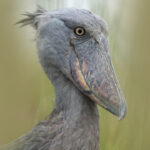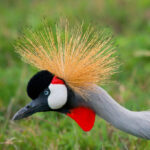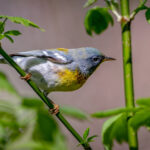
For independent travelers who prefer exploring at their own pace, self guided birding Uganda offers a rewarding alternative to organized tours. Uganda’s well-established national park system, reliable road network, and friendly local communities make self-guided birding both feasible and enjoyable. With proper preparation, independent birders can access prime locations, manage their own schedules, and often reduce costs compared to full-service tours.
This guide provides comprehensive tips for planning and executing a successful self-guided birding safari, covering transportation, permits, accommodation, navigation, and bird identification resources essential for independent exploration of Uganda’s extraordinary avian diversity.
Transportation for Self-Guided Birders
Reliable transportation is the foundation of any successful self-guided birding trip. Your mobility determines which locations you can access and how efficiently you move between birding hotspots.
Vehicle Selection
A 4×4 vehicle with high ground clearance is essential for Uganda’s roads. While main highways between major towns are generally paved, access roads to national parks, lodges, and birding sites often require off-road capability. The rainy season makes 4×4 absolutely necessary.
Recommended Vehicle Features:
-
High ground clearance (minimum 8 inches)
-
Pop-up roof for elevated bird viewing
-
Spare tire and repair kit
-
Roof rack for extra luggage space
-
Air conditioning for comfort between sites
Rental Options
Several reputable companies in Kampala and Entebbe offer 4×4 rentals suitable for self-guided birding. Book well in advance, especially during peak seasons.
Rental Considerations:
-
Request a vehicle with pop-up roof if possible
-
Verify insurance coverage for national park entry
-
Check tire condition and age
-
Understand fuel policy (full-to-full is standard)
-
Carry rental agreement and insurance documents at all times
Self-Guided Birding Uganda: Navigation and Road Conditions
Successful self guided birding Uganda requires realistic expectations about travel times and road conditions.
Travel Time Realities
Distances that appear short on maps often require significantly more time than expected. Road conditions, traffic, and wildlife crossings all affect travel.
Typical Travel Times:
-
Entebbe to Murchison Falls: 5-6 hours
-
Murchison Falls to Kibale: 5-6 hours
-
Kibale to Queen Elizabeth: 2-3 hours
-
Queen Elizabeth to Bwindi: 3-4 hours
-
Bwindi to Lake Mburo: 4-5 hours
-
Lake Mburo to Entebbe: 4-5 hours
Navigation Tools
-
Offline maps (Maps.me or Google Maps offline) are essential for areas without mobile coverage
-
Printed road maps serve as backup
-
GPS device recommended for extended travel
-
Download maps before departure while connected to Wi-Fi
Road Tips:
-
Avoid driving after dark; wildlife and pedestrians on roads create hazards
-
Carry cash for fuel; many rural stations do not accept cards
-
Fuel up whenever you find a station; distances between stations can be significant
-
Expect police checkpoints; keep documents accessible
-
Road conditions deteriorate rapidly during rainy seasons
Park Entry and Permits
Navigating park entry requirements is straightforward with proper preparation.
Park Entry Fees
Entry fees are paid at park headquarters or main gates. Carry USD cash (2006 series or newer) as well as Ugandan shillings. Credit card acceptance is limited.
Payment Tips:
-
USD preferred for park entry; bring small denominations ($20, $50)
-
Some parks accept mobile money transfers
-
Keep receipts for multi-day visits
-
Verify entry fees before travel as rates may change
Activity Permits
Certain activities require advance booking:
-
Shoebill canoe at Mabamba: Arrange through local guide association
-
Kazinga Channel boat cruise: Book day before at park office
-
Murchison Delta boat cruise: Advance booking recommended during peak season
-
Gorilla trekking: Must book months in advance through Uganda Wildlife Authority
Guide Requirements
Some activities require a local guide:
-
Mabamba Swamp: Mandatory community guide
-
Bwindi forest trails: Park guide required
-
Kibale forest trails: Park guide recommended
-
Self-guided birding in savannah parks is generally permitted on main roads
Accommodation Booking for Independent Travelers
Self-guided birders have flexibility in accommodation selection. Booking strategies vary by season.
Peak Season (December-February, June-August)
Book all accommodation before arrival, especially in popular areas like Bwindi and Murchison Falls. Lodges often sell out months in advance.
Shoulder Season (March, September-November)
Booking 2-4 weeks ahead is usually sufficient. Many lodges offer discounted rates.
Low Season (April-May, October)
Spontaneous booking is possible. This is an excellent time for budget-conscious independent travelers, with many lodges offering 30-50% discounts.
Accommodation Types for Self-Guided Birders:
-
Lodges: Comfortable with all amenities; book ahead
-
Tented Camps: Good mid-range option; often near park entrances
-
Bandas: Simple, affordable; managed by park authorities or communities
-
Camping: Most economical; public campsites available in major parks
Bird Identification Resources
Without a professional guide, self-guided birders rely on quality identification resources.
Field Guides
-
“Birds of East Africa” by Stevenson and Fanshawe is the essential field guide
-
“Birds of Uganda” by Carrol and Arinaitwe offers Uganda-specific focus
-
Downloadable bird call apps supplement visual identification
Mobile Apps
-
eBird: Record sightings, access location-specific bird lists
-
Merlin Bird ID: Photo and sound identification tool
-
BirdNet: Identify birds by their calls
-
Download all apps and regional data before travel
Local Birding Resources
-
Visit park headquarters for recent sightings information
-
Connect with local birding groups on social media
-
Consider hiring local guides for one day to learn key species
-
Keep a notebook to document sightings and locations
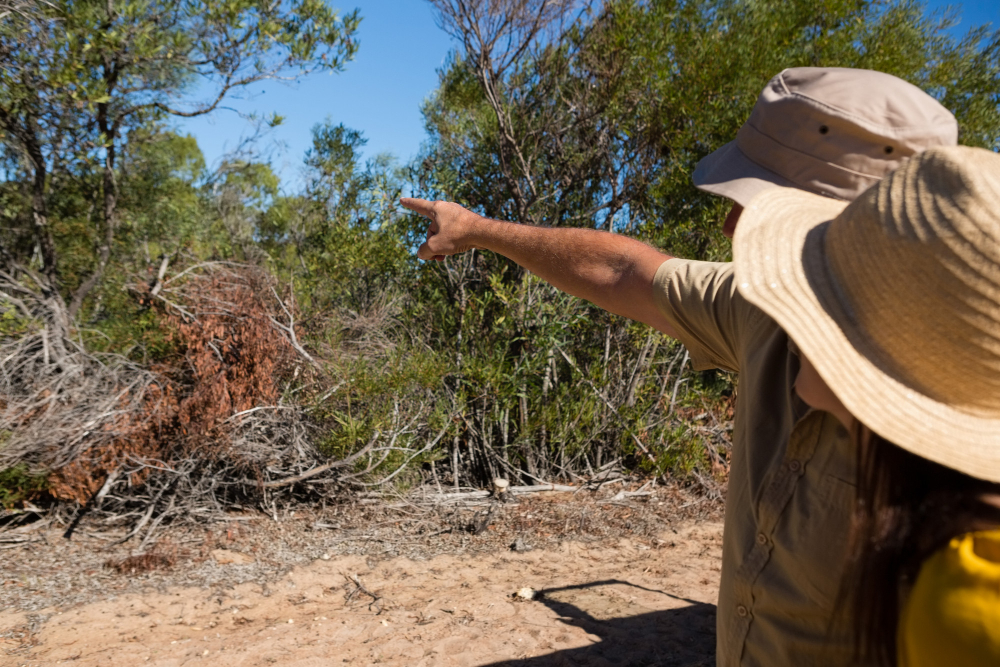
Self-Guided Birding Uganda: Best Locations
Several locations are particularly well-suited for self-guided birders with good road access and reliable sightings.
Lake Mburo National Park
This is perhaps the most self-guide-friendly park. The road network is excellent, and birds are abundant along well-marked tracks. The boat trip requires a guide but is highly recommended.
Self-Guiding Tips:
-
Drive the main circuit at dawn and dusk
-
Walk the trails near Rwonyo camp
-
Visit the salt lick for concentrated wildlife viewing
Murchison Falls National Park
The northern bank road network allows extensive self-guided exploration. The Delta area requires a guide for boat access, but savannah birding is excellent from the vehicle.
Self-Guiding Tips:
-
Start early; gates open at 6:30 AM
-
Focus on the Nile River banks for waterbirds
-
Check recent sightings at park headquarters
Queen Elizabeth National Park
The Kasenyi plains and Mweya area are accessible for self-guided driving. The Kazinga Channel boat cruise requires a guide but is essential for waterbird viewing.
Self-Guiding Tips:
-
Drive the Kasenyi loop for savannah birds
-
Explore the crater lakes for specialized waterbirds
-
The road to Ishasha offers good birding with fewer vehicles
Mabamba Swamp
Self-guided access is not possible; you must hire a local guide with canoe. However, you can drive yourself to the meeting point and arrange guiding upon arrival.
Health and Safety Considerations
Self-guided travelers bear full responsibility for health and safety preparations.
Medical Preparation
-
Yellow fever vaccination mandatory
-
Malaria prophylaxis essential year-round
-
Comprehensive travel insurance with evacuation coverage
-
First aid kit including treatments for common ailments
-
Prescription medications in original containers
Safety Tips
-
Park at designated areas; avoid stopping in remote locations after dark
-
Keep vehicle locked when away; do not leave valuables visible
-
Register at park headquarters before entering remote areas
-
Carry a satellite phone or personal locator beacon for extended remote travel
-
Share itinerary with someone at home
Daily Birding Routine for Self-Guided Travelers
Establishing an effective daily routine maximizes bird sightings.
Morning Session (6:00-10:00 AM)
Start before sunrise to catch birds at their most active. Arrive at birding locations by first light. Focus on water sources, forest edges, and areas with flowering trees.
Midday Break (10:00 AM-3:00 PM)
Bird activity decreases during the hottest hours. Use this time for travel between locations, meals, and rest. Review morning sightings and plan afternoon strategy.
Afternoon Session (3:00-6:30 PM)
Birds become active again as temperatures cool. Late afternoon light offers excellent photography conditions. Position yourself with the sun behind you for optimal viewing.
Evening
Record daily sightings. Prepare equipment for the next morning. Arrange any necessary permits or guides for following day.
Frequently Asked Questions
Is self-guided birding in Uganda safe?
Yes, with proper precautions. Stick to established routes, avoid driving after dark, register at park headquarters, and follow local advice. Uganda’s tourism infrastructure is well-developed and accustomed to independent travelers.
Do I need a guide for birding in national parks?
On main roads in savannah parks (Murchison, Queen Elizabeth, Lake Mburo), self-guided birding is permitted. Forest parks (Bwindi, Kibale) require guides for trail walks. Boat trips require guides or operators.
How much can I save by self-guiding compared to a tour?
Self-guided travel typically costs 30-50% less than comparable organized tours. Savings come from group accommodation rates, self-catering options, and flexibility in activities.
What is the best vehicle for self-guided birding?
A 4×4 with high ground clearance is essential. A pop-up roof is highly desirable for elevated viewing. Roof racks accommodate extra luggage and camping gear.
Can I self-guide at Mabamba Swamp?
No, local guides are mandatory for Shoebill viewing. However, you can drive yourself to the meeting point and arrange a guide on arrival. Guide fees are standardized and affordable.
Conclusion
Self guided birding Uganda offers independent travelers the freedom to explore at their own pace while discovering the country’s extraordinary birdlife. With proper preparation—reliable 4×4 transport, quality field guides, realistic expectations about road conditions, and careful planning of permits and accommodation—self-guided birders can access all major birding locations. Locations like Murchison Falls, Lake Mburo, and Queen Elizabeth are particularly suited to independent exploration.
While forest birding in Bwindi and Kibale benefits from local guides, these can be arranged upon arrival. Whether you choose a self-guided approach for flexibility, cost savings, or the satisfaction of independent discovery, Uganda welcomes you with its incredible avian diversity.