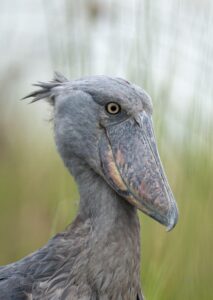
The mabamba swamp shoebill site is the undisputed capital for Shoebill viewing in Africa. Located on the northern shores of Lake Victoria, approximately 60 kilometers west of Kampala, this extensive papyrus wetland offers the world’s most reliable Shoebill sightings with success rates exceeding 95%. The swamp’s narrow channels, guided canoe trips, and resident Shoebill population make it a must-visit destination for any birder coming to Uganda. Beyond the iconic Shoebill, Mabamba hosts Papyrus Gonolek, Blue Swallow, and numerous waterbirds, making it a complete wetland birding experience. This comprehensive guide covers everything you need to know about birding at this remarkable Ramsar site.
Mabamba Swamp is a designated Ramsar wetland of international importance, recognized for its exceptional biodiversity and critical habitat for threatened bird species. The swamp covers approximately 2,500 hectares of papyrus-dominated wetland along Lake Victoria’s northwestern shoreline. Its network of narrow channels, open water pools, and extensive papyrus beds creates ideal habitat for Shoebill and other wetland specialists. The local community manages the birding experience through a cooperative of trained guides who pole traditional canoes through the channels.
Key Features:
Ramsar designation since 2006
Located 60 km west of Kampala
2,500 hectares of papyrus wetland
Over 95% Shoebill viewing success rate
Community-managed guiding cooperative
Accessible as a day trip from Kampala or Entebbe
Habitat Types:
Extensive papyrus beds
Narrow channels for canoe access
Open water pools
Mixed papyrus and reed edges
Floating vegetation mats
The mabamba swamp shoebill site hosts a remarkable diversity of wetland bird species beyond its famous Shoebill.
Target Bird Species with Viewing Spots:
Shoebill: Main channels and papyrus edges; best viewed in early morning canoe trips
Papyrus Gonolek: Dense papyrus stands; listen for distinctive liquid calls
Blue Swallow: Open areas near papyrus edges; present during migration seasons
Malachite Kingfisher: Channel edges and overhanging vegetation
African Fish Eagle: Perched on dead trees overlooking open water
Pygmy Goose: Open water pools near papyrus edges
White-faced Whistling Duck: Open water areas and floating vegetation
African Jacana: Lily pads and floating vegetation
Greater Swamp Warbler: Dense papyrus and reed beds
African Marsh Harrier: Gliding over open wetland areas
Main Canoe Channel:
The primary canoe route through the swamp offers the most reliable Shoebill sightings. Local guides know specific Shoebill territories and will position the canoe for optimal viewing.
Viewing Tips:
Early morning (7:00-9:00 AM) offers best light and active birds
Multiple Shoebill territories along the main channel
Papyrus Gonolek often heard before seen in dense papyrus
Calm morning conditions create reflection opportunities
Secondary Channels:
Smaller, less-frequented channels offer opportunities for Papyrus Gonolek and Blue Swallow.
Viewing Tips:
Request secondary channels if Shoebill already seen
Quieter experience with fewer boats
Good for Papyrus Gonolek photography
Combine with main channel for complete experience
Open Water Areas:
The lake edge and open water pools host waterfowl and wading birds.
Viewing Tips:
African Fish Eagle often perched on dead trees
Pygmy Goose and other waterfowl visible
Afternoon light better for open water photography
Watch for African Marsh Harrier hunting
Access Steps to Mabamba Swamp:
Fly to Entebbe International Airport (EBB) as your arrival point
Drive from Entebbe or Kampala to the Mabamba landing site (approximately 1.5-2 hours from Kampala, 1 hour from Entebbe)
Arrive at the community meeting point where guides are available
Register with the guide cooperative and pay fees (approximately $20-30 per canoe)
Board a traditional canoe with your guide for 1.5-2.5 hour swamp exploration
Accommodation Options:
Papyrus Guest House (Entebbe): Located near the swamp access, this property specializes in Shoebill-focused itineraries
Lake Victoria Serena Golf Resort (Entebbe): Luxury option with extensive grounds
Airport View Hotel (Entebbe): Mid-range option convenient for early morning departures
Karibu Guest House (Entebbe): Comfortable budget-friendly option
Kampala Forest Resort (Kampala): Good base for combining with other destinations
December to February (Long Dry Season):
This period offers the driest conditions with lower water levels, concentrating Shoebill in remaining pools. Clear skies provide excellent light for photography. This is the optimal period for Shoebill viewing and photography.
June to August (Short Dry Season):
Good conditions with slightly cooler temperatures. Shoebill viewing remains reliable. Early morning sessions are most productive.
March to May and September to November (Rainy Seasons):
Viewing is still possible but water levels are higher, dispersing birds across wider areas. Canoe access remains available. However, fewer visitors during these periods offer a more exclusive experience.
Best Time of Day:
Early morning (6:30-9:00 AM) offers the best light and most active birds. Afternoon sessions can be productive but lighting conditions are less favorable.
What is the Shoebill viewing success rate at Mabamba?
With an experienced local guide, Shoebill viewing success exceeds 95%. Most visitors see Shoebill within the first hour of the canoe trip.
How long does a Mabamba canoe trip take?
Typical trips last 1.5-2.5 hours, depending on Shoebill activity and weather conditions. Multiple sessions can be arranged for dedicated photographers.
Can I visit Mabamba as a day trip from Kampala or Entebbe?
Yes, Mabamba is easily accessible as a day trip from either city. Most visitors depart early morning (5:00-5:30 AM) for the 1-2 hour drive.
Do I need to book a guide in advance?
Guides are available at the landing site, but advance booking through a tour operator or lodge is recommended during peak season.
What other birds can I see at Mabamba?
Papyrus Gonolek, Blue Swallow, Malachite Kingfisher, African Fish Eagle, Pygmy Goose, and numerous heron and egret species.
The mabamba swamp shoebill site is an essential destination for any birder visiting Uganda. With the world’s most reliable Shoebill sightings, expert local guides, and a remarkable diversity of other wetland birds, this Ramsar wetland delivers an unforgettable experience.
Whether you are a dedicated lister seeking this prehistoric bird or a photographer wanting close approaches, Mabamba’s papyrus channels and community-managed guiding ensure success. Plan your visit during dry seasons for optimal conditions, start early for the best light, and prepare to be captivated by one of Africa’s most extraordinary birds.