Behind every exceptional birding safari is an exceptional guide. The birding tour guide Uganda profession has developed into one of Africa’s most respected fields, with guides who combine decades of field experience, encyclopedic knowledge of bird calls and behaviors, and genuine passion for sharing Uganda’s avian treasures.
These professionals do far more than identify birds—they transform birding trips into educational experiences, locate elusive species through call recognition, position photographers for optimal light, and share deep insights into the ecology and conservation of Uganda’s extraordinary birdlife. This guide introduces you to the skills, experience, and value that Uganda’s premier birding guides bring to your safari.
What Makes an Exceptional Birding Guide
Exceptional birding guides possess skills that extend far beyond basic bird identification. The best guides elevate every aspect of the birding experience.
Technical Expertise:
-
Identify 600+ bird species by sight and sound
-
Recognize bird calls and respond with playback
-
Understand habitat preferences and seasonal movements
-
Know specific territories for rare and elusive species
-
Maintain current knowledge of recent sightings
Photography Support:
-
Position vehicles and boats for optimal light
-
Understand camera equipment and settings
-
Recognize photographic opportunities beyond identification
-
Provide stable platforms for long lens work
Teaching Ability:
-
Explain identification features clearly
-
Share behavioral and ecological insights
-
Adapt communication to varying experience levels
-
Create educational moments throughout the safari
Professionalism:
-
Punctual and reliable for early morning starts
-
Patient with varying skill levels and photography needs
-
Professional conduct and appearance
-
Commitment to ethical birding practices
Birding Tour Guide Uganda: Training and Certification
Uganda has developed a structured training and certification system for birding guides that ensures high professional standards.
Training Pathways
Most professional birding guides begin as general safari guides, then pursue specialized birding certification through the Uganda Safari Guides Association (USAGA) and Uganda Wildlife Authority programs.
Certification Levels:
-
Bronze Level: Basic bird identification (200 species), guiding fundamentals
-
Silver Level: Intermediate identification (400 species), advanced techniques
-
Gold Level: Expert identification (600+ species), specialized guiding skills
Many gold-level guides have completed additional training in bird call recognition, photography support, and conservation education. Some have decades of experience working with leading ornithologists and research projects.
Continuing Education
Uganda’s top guides participate in ongoing training through workshops, research collaborations, and international birding events. This commitment to continuous learning ensures they maintain current knowledge of taxonomy changes, new species records, and conservation developments.
Profiles of Exceptional Birding Guides
Uganda’s premier birding guides represent decades of accumulated knowledge and experience. While individual guides vary, the profession is characterized by several remarkable individuals.
Herbert Byaruhanga
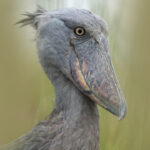
One of Uganda’s most respected birding guides, Herbert has led birding tours for over 20 years. His encyclopedic knowledge of Albertine Rift endemics and Shoebill ecology makes him a sought-after guide for serious birders. He has guided for leading international tour companies and contributed to bird conservation research.
Specialties:
-
Albertine Rift endemics
-
Shoebill ecology and behavior
-
Forest bird identification
Joseph Arinaitwe
Co-author of “Birds of Uganda,” Joseph combines academic knowledge with exceptional field skills. His ability to identify birds by call and his deep understanding of bird behavior make him an outstanding guide for both birders and photographers.
Specialties:
-
Bird call identification
-
Forest bird behavior
-
Photographer support
Godfrey Byaruhanga
With over 15 years of experience, Godfrey specializes in Kibale’s forest birds and the legendary Green-breasted Pitta. His patience and skill in locating this elusive species have earned him recognition among birders worldwide.
Specialties:
-
Green-breasted Pitta
-
Kibale forest birds
-
Photography positioning
How Guides Enhance Your Birding Experience
The value of an exceptional guide extends far beyond species identification.
Finding Elusive Species
Uganda’s most sought-after species—Shoebill, Green-breasted Pitta, African Green Broadbill—require specialized knowledge to locate reliably. Expert guides know specific territories, optimal viewing times, and behavioral patterns that dramatically increase success rates.
Shoebill at Mabamba: Guides maintain relationships with canoe operators and monitor Shoebill territories daily. Success rates with experienced guides exceed 95%.
Green-breasted Pitta in Kibale: Guides know specific trails and conditions when Pitta emerges after rains. They recognize its call and can position photographers for the best angles.
Albertine Rift Endemics: Bwindi’s guides know territories for 23 endemic species, maximizing sightings across the forest’s sectors.
Call Recognition
Many birds are heard more often than seen. Expert guides identify species by call, often locating them for viewing. This skill is particularly valuable in forest environments where visibility is limited.
Photography Support
Photography-focused guides understand lighting, angles, and camera settings. They position vehicles and boats for optimal light, create stable platforms for long lenses, and recognize when a bird is about to take flight or display.
Educational Value
Great guides transform birding trips into learning experiences. They explain identification features, share behavioral insights, and help you understand the ecological context of each sighting. This knowledge enriches your experience and improves your own birding skills.
Ethical Birding Practices
Uganda’s top guides prioritize ethical birding practices that protect birds and their habitats.
Minimum Disturbance:
-
Maintain appropriate distance from nesting birds
-
Limit playback use to avoid stressing birds
-
Stay on designated trails
-
Respect protected area regulations
Conservation Education:
-
Explain conservation challenges facing species
-
Encourage support for protected areas
-
Promote community conservation initiatives
-
Model responsible birding behavior
Community Engagement:
Many guides work with local communities to develop birding tourism that benefits residents. This includes training local guides, supporting community conservation areas, and ensuring tourism revenue reaches local people.
Selecting the Right Guide for Your Safari
Choosing the right guide significantly impacts your birding experience. Several factors inform this decision.
Specialization
Different guides have different specialties. Some excel at forest birding and Albertine Rift endemics. Others specialize in savannah and waterbirds. Select a guide whose expertise matches your target species.
Photography Focus
If photography is your priority, choose a guide experienced in working with photographers. These guides understand lighting, positioning, and equipment needs.
Group Size
For private tours, you can select a guide whose style matches your preferences. For group tours, the 12-Day Group Birding Safari Uganda pairs participants with experienced guides who manage group dynamics effectively.
Language
Most professional guides speak excellent English. Some also speak French, German, or other languages. Confirm language capabilities when booking.
Working with Your Guide
A positive relationship with your guide enhances the birding experience.
Communicate Your Goals
Before your safari, discuss your priorities—species targets, photography needs, walking ability, and preferred pace. This allows your guide to tailor the experience.
Trust Their Expertise
Local guides know optimal timing for each location, current sightings, and how to maximize your experience. Trust their recommendations even when they differ from your expectations.
Ask Questions
Guides welcome questions about bird identification, behavior, and ecology. Engaging with your guide deepens your understanding and enriches the experience.
Respect Their Work
Birding guides work long hours, often starting before dawn and finishing after dusk. Showing appreciation through attention, engagement, and appropriate gratuities acknowledges their expertise and effort.
Guide Services and Costs
Understanding guide costs helps you budget appropriately for your safari.
Park-Required Guides
Some activities require local guides:
-
Mabamba Swamp: $20-30 per canoe
-
Bwindi forest trails: $20-30 per walk
-
Kibale forest trails: $20-30 per walk
Specialist Birding Guides
Professional birding guides charge $50-100 per day for dedicated birding services, often plus accommodation and meals.
Driver-Guides
Many birders hire driver-guides who provide transportation and birding guidance. These services typically cost $150-250 per day including vehicle, fuel, and guide accommodation.
Group Tour Guides
Group tours like the 12-Day Uganda Birding Safari Classic include guide services in the package price, with costs distributed across participants.
Frequently Asked Questions
Do I need a guide for birding in Uganda?
While self-guided birding is possible in some parks, hiring a guide significantly increases species counts and enriches your experience. For forest birding and species like Shoebill, guides are essential.
How do I find a reputable birding guide?
Reputable tour operators employ certified guides. Look for guides with USAGA certification or recommendations from previous clients. The 12-Day Group Birding Safari Uganda uses gold-level certified guides.
Can I request a specific guide?
Yes, many tour operators accommodate requests for specific guides, subject to availability. Book early to secure your preferred guide.
What languages do Uganda’s birding guides speak?
English is standard. Some guides speak French, German, Italian, or other languages. Confirm when booking if a specific language is needed.
How much should I tip my birding guide?
Standard gratuities range from $15-25 per day for guides, $10-15 per day for drivers, distributed at the end of your safari. For exceptional service, higher amounts are appropriate.
Conclusion
The birding tour guide Uganda profession represents one of Africa’s most skilled and dedicated guiding communities. With years of experience, deep knowledge of bird calls and behaviors, and genuine passion for sharing Uganda’s avian treasures, these professionals transform birding trips into extraordinary experiences. Whether you join the 12-Day Uganda Birding Safari Classic with its expert team, book a private tour with a gold-level guide, or participate in the 12-Day Group Birding Safari Uganda, investing in quality guiding ensures you maximize species sightings, capture exceptional images, and gain lasting knowledge of Uganda’s remarkable birdlife. In the Pearl of Africa, the guides are as exceptional as the birds themsel