The migratory birds Uganda season transforms the country’s already impressive bird diversity into an extraordinary spectacle. Each year, from November to April, over 200 species of Palearctic migrants arrive from Europe and Asia, joining Uganda’s 800 resident species for a period of unparalleled avian abundance. Steppe Eagles soar over savannah parks, European Bee-eaters fill the skies with their colorful flocks, and Willow Warblers fill the forests with their melodic songs. This seasonal influx makes Uganda one of Africa’s premier destinations for birders seeking maximum species counts. This guide explores the migratory birds season, key species to watch for, and the best locations to observe these remarkable travelers.
Understanding Uganda’s Migratory Patterns
Uganda’s location on the equator, combined with its diverse habitats, makes it a critical stopover and wintering ground for birds migrating along the African-Eurasian flyway. Migrants arrive primarily from the Palearctic region—Europe, Siberia, and Central Asia—fleeing harsh winters for Uganda’s abundant food resources.
Arrival and Departure Timeline:
-
November: First arrivals appear across the country
-
December-January: Peak migrant numbers
-
February-March: Migrants still present, often in breeding plumage
-
April: Departures begin, with most gone by month’s end
-
May-October: Resident birds only
The timing of the migratory season coincides with Uganda’s dry seasons, creating optimal conditions for birders seeking maximum species counts.
Migratory Birds Uganda Season: Key Species
The migratory birds Uganda season brings an astonishing diversity of species across many families. Understanding these groups helps birders identify and appreciate the seasonal visitors.
Raptors
Uganda’s savannah parks host some of Africa’s most spectacular raptor migrations.
Steppe Eagle: One of the most common migratory eagles, arriving in large numbers across Murchison Falls and Queen Elizabeth. Distinguished by its brown plumage and pale wing patches. Often seen perched on termite mounds or soaring over savannah.
Lesser Spotted Eagle: A medium-sized eagle with distinctive white wing patches. Favors woodland and savannah edges. Regularly seen at Lake Mburo and Queen Elizabeth.
Pallid Harrier: A graceful harrier with distinctive gray plumage in males. Hunts over grasslands and wetlands. Queen Elizabeth’s Kasenyi plains offer excellent viewing.
Eurasian Hobby: A fast-flying falcon that specializes in catching swallows and dragonflies. Often seen in late afternoon over wetlands and open areas.
Bee-eaters
These colorful birds are among the most spectacular migrants, arriving in large flocks that delight birders and photographers alike.
European Bee-eater: Brilliant turquoise, yellow, and chestnut plumage. Arrives in large flocks from November, often seen perched on wires and trees. Forms breeding colonies where they excavate nest holes in riverbanks.
Carmine Bee-eater: Stunning pink and blue plumage; arrives in slightly smaller numbers. Favors open areas near water. Often seen hunting dragonflies over the Kazinga Channel.
Blue-cheeked Bee-eater: Green and blue plumage with distinctive rufous throat patch. Favors woodland and savannah edges.
Warblers and Flycatchers
Many small passerines migrate from Europe, filling Uganda’s forests and woodlands with their presence.
Willow Warbler: One of the most common migrants, its distinctive descending song fills forests from November to April. Found in woodland, forest edges, and gardens.
Spotted Flycatcher: A gray-brown flycatcher with characteristic upright posture. Active in forest clearings and edges, often returning to the same perch after sallying for insects.
Garden Warbler: A plain-looking warbler with a rich, melodic song. Favors dense undergrowth and forest edges.
Common Chiffchaff: Similar to Willow Warbler but with darker legs and a different call. Common in woodlands and wetlands.
Waders and Waterbirds
Uganda’s wetlands and lakeshores host large numbers of migratory waders during the season.
Wood Sandpiper: A common winter visitor to wetlands across the country. Its distinctive call often heard before the bird is seen.
Common Sandpiper: A small, active wader with a characteristic bobbing motion. Found along lake shores and riverbanks.
Ruff: A medium-sized wader with spectacular breeding plumage in males. Lake Mburo and the Kazinga Channel are reliable locations.
Black-tailed Godwit: A large wader with long bill, seen in small numbers at Lake Mburo and other wetlands.
Best Locations for Migratory Birds
Different habitats attract different migratory species. Targeting specific locations maximizes your sightings during the migratory birds season.
Murchison Falls National Park
The combination of the Nile River, savannah, and woodland attracts the full range of migrants. The Delta area is particularly productive for waders and waterbirds, while the northern bank hosts numerous raptors.
Target Species: Steppe Eagle, Pallid Harrier, European Bee-eater, Wood Sandpiper, Common Sandpiper
Queen Elizabeth National Park
The Kazinga Channel, Kasenyi plains, and surrounding wetlands provide diverse habitats for migrants. The channel attracts bee-eaters and waders, while the plains host raptors.
Target Species: Carmine Bee-eater, European Bee-eater, Steppe Eagle, Ruff, Eurasian Hobby
Kibale National Park
The forest attracts migrant warblers and flycatchers. The forest edge and Bigodi Wetland are particularly productive.
Target Species: Willow Warbler, Garden Warbler, Spotted Flycatcher, Common Chiffchaff
Lake Mburo National Park
The combination of wetland and acacia woodland attracts a variety of migrants. The lake shores host waders, while the woodland hosts warblers and flycatchers.
Target Species: Wood Sandpiper, Common Sandpiper, Ruff, Willow Warbler
Mabamba Swamp
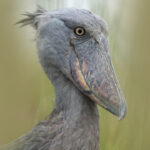
This papyrus wetland attracts waders, waterbirds, and the occasional migrant raptor. The resident Shoebill remains, joined by seasonal visitors.
Target Species: Wood Sandpiper, Common Sandpiper, Pallid Harrier
Photography During Migratory Season
The migratory birds season offers exceptional photography opportunities. Migrants often concentrate in accessible areas and may be less wary than resident species.
Advantages for Photographers:
-
Large concentrations of colorful species (bee-eaters)
-
Raptors at predictable perches and hunting grounds
-
Migrants in breeding plumage during February-March
-
Birds often less wary during migration exhaustion
Recommended Techniques:
-
Focus on bee-eater colonies for action shots
-
Set up at water sources where migrants concentrate
-
Early morning and late afternoon light is optimal
-
Patience at perches often rewards with multiple species
Conservation of Migratory Birds
Uganda plays a critical role in the conservation of Palearctic migrants. The country’s protected area network provides essential wintering habitat for species whose breeding grounds face increasing pressure.
Threats to Migratory Birds:
-
Habitat loss at wintering grounds
-
Agricultural intensification in breeding areas
-
Climate change affecting migration timing
-
Hunting pressure in some regions
How Birders Can Help:
-
Support protected areas through park entry fees
-
Practice ethical birding that minimizes disturbance
-
Report sightings to citizen science platforms like eBird
-
Choose eco-friendly accommodations and operators
-
Support community conservation initiatives
Frequently Asked Questions
When is the peak migratory birds season in Uganda?
December and January offer the highest numbers of migrants, with both early and peak arrivals present. February and March offer migrants in breeding plumage.
How many migratory species can I expect to see?
During a 10-day safari in peak season (December-January), you can expect 60-80 migratory species, contributing to total species counts of 400-450.
Do migratory birds affect resident bird viewing?
Migrants add to the total species count but do not generally displace resident species. Some migrants use different habitats, so overall birding is enhanced.
Where is the best place to see migratory raptors?
Murchison Falls National Park’s northern bank and Queen Elizabeth’s Kasenyi plains offer the highest concentrations of Steppe Eagle, Pallid Harrier, and other migratory raptors.
What is the best month for migratory bee-eaters?
European Bee-eaters are present from November to April, with peak numbers in December-January. Carmine Bee-eaters arrive slightly later, peaking in January-February.
Conclusion
The migratory birds Uganda season transforms the country into a birding paradise, adding over 200 species to the resident list from November to April. Spectacular species like European Bee-eater, Steppe Eagle, and Carmine Bee-eater join countless warblers, flycatchers, and waders in a seasonal abundance that attracts birders from around the world. Whether you time your visit for peak numbers in December-January or target migrants in breeding plumage in February-March, the migratory season offers unparalleled opportunities for species counts and photography. Uganda’s protected areas, from Murchison Falls to Lake Mburo, provide essential wintering habitat for these remarkable travelers, making the Pearl of Africa a critical destination for migratory bird conservation and enjoyment.