f you are searching for the definitive birding safari Uganda guide, you have come to the right place. Uganda, the “Pearl of Africa,” is one of the world’s most spectacular birding destinations, boasting an astonishing 1,084 recorded bird species—more than 50% of Africa’s total bird diversity and nearly 11% of the world’s bird species.
From the prehistoric Shoebill stalking papyrus swamps to the jewel-like Green-breasted Pitta hiding in Kibale’s forests, this small East African nation delivers unparalleled birding experiences across a stunning variety of habitats.
Whether you are a dedicated lister chasing Albertine Rift endemics, a photographer seeking the perfect shot, or a beginner eager to discover this incredible hobby, this guide will equip you with everything you need for an unforgettable birdwatching adventure.
Why Uganda Is Africa’s Premier Birding Destination
Uganda’s extraordinary bird diversity stems from its unique geographical position at the intersection of East African savannah, West African rainforest, and the Albertine Rift mountains. Within a single day’s drive, you can move from the papyrus swamps of Mabamba to the montane forests of Bwindi, encountering entirely different avian communities at every stop. The country hosts 24 Albertine Rift endemics—birds found nowhere else on Earth—along with 11 of Africa’s 20 biomes represented within its borders.
The country’s network of ten national parks, twelve wildlife reserves, and numerous community conservation areas provides protected habitats for birds ranging from massive raptors to tiny sunbirds. Unlike many African birding destinations where access is difficult, Uganda offers excellent infrastructure, experienced local guides, and a stable tourism industry that has welcomed birders for decades. The peak birding season runs from November to April when Palearctic migrants join resident species, but exceptional birding is available year-round thanks to the equatorial climate and diverse habitats.
Birding Safari Uganda Guide: Top Birding Locations
A comprehensive birding safari Uganda guide must begin with the country’s premier birding hotspots. Each location offers distinct habitats and target species that make Uganda a truly complete birding destination.
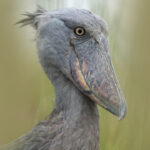
Mabamba Swamp is the undisputed capital for Shoebill sightings. Located on the northern shores of Lake Victoria, this extensive papyrus wetland provides the most reliable Shoebill viewing in Africa. Local fishermen-turned-guides pole traditional canoes through narrow channels, offering intimate encounters with these prehistoric birds. Beyond Shoebill, the swamp hosts Papyrus Gonolek, Blue Swallow, and numerous herons and egrets.
Bwindi Impenetrable National Park is a UNESCO World Heritage site and the premier destination for Albertine Rift endemics. This ancient rainforest supports 350+ bird species including 23 of Uganda’s Albertine Rift endemics such as African Green Broadbill, Grauer’s Warbler, and Rwenzori Turaco. Birding here involves walking steep forest trails, but the rewards are extraordinary.
Murchison Falls National Park combines riverine, savannah, and woodland habitats across Uganda’s largest protected area. The Nile River boat trip to the base of the falls offers exceptional views of Shoebill, Goliath Heron, African Fish Eagle, and countless waterbirds. The northern bank’s savannah supports Secretary Bird, Abyssinian Ground Hornbill, and Denham’s Bustard.
Kibale National Park is renowned for its forest birds and primates. This 795-square-kilometer park protects 375 bird species including the elusive Green-breasted Pitta, 6 hornbill species, and numerous forest specials. The main track and Kanyanchu River area are particularly productive.
Queen Elizabeth National Park boasts one of Africa’s highest bird counts with over 600 species recorded. The Kazinga Channel boat cruise is world-famous for waterbirds including African Skimmer, Pink-backed Pelican, and numerous kingfishers. The park’s diverse habitats include savannah, forest, and wetlands.
H3: Best Time to Plan Your Birding Safari Uganda Guide
Timing your visit according to this birding safari Uganda guide can significantly impact your experience. Uganda’s equatorial location means seasons are defined by rainfall rather than temperature variations.
November to April (Dry Season with Migrants): This period offers the best of both worlds. The dry conditions make forest trails accessible, while Palearctic migrants from Europe and Asia swell bird counts by over 200 species. November sees the arrival of migrants, and March marks the peak of breeding plumage for many resident species. December to February offers the driest conditions, ideal for photography and accessing remote areas.
May to October (Wet Season with Breeding Residents): While rain is more frequent, this period offers advantages for serious birders. Resident birds are in breeding plumage and actively displaying. The forests are lush and vibrant, and migratory birds are absent, making resident species easier to focus on. June to August sees lower tourist numbers, providing a more exclusive experience.
For most birders, the ideal window is December to February for dry conditions and November or March for the combination of migrants and good weather. Serious listers often plan visits during both seasons to maximize species counts.
H3: Essential Preparation for Your Birding Safari
Proper preparation ensures you make the most of your birding safari. This section covers key considerations before your arrival.
Visas and Entry Requirements: Most nationalities require a visa for Uganda. The e-visa system is efficient, and the East Africa Tourist Visa (US$100) allows travel between Uganda, Kenya, and Rwanda—ideal for extended birding itineraries. Visas are typically processed within 5-7 business days.
Health Preparations: Yellow fever vaccination is mandatory for entry. Malaria prophylaxis is essential year-round, as Uganda is a malaria-endemic country. Consult your travel doctor at least six weeks before departure for current recommendations on vaccines including typhoid, hepatitis A and B, and rabies for extended stays.
Packing Essentials: Your packing list should include:
-
Binoculars with 8×42 or 10×42 magnification
-
Field guide (Birds of East Africa by Stevenson and Fanshawe is the standard)
-
Camera with telephoto lens (300mm minimum, 400-600mm preferred)
-
Neutral-colored clothing (khaki, olive, brown)
-
Waterproof jacket and sturdy hiking boots
-
Headlamp for early morning walks
-
Portable power bank for charging devices
Guides and Permits: Hiring local bird guides is highly recommended. They possess intimate knowledge of bird territories, calls, and behavior. For Shoebill at Mabamba, community guides are mandatory. Gorilla and chimpanzee trekking permits must be booked months in advance, especially during peak seasons.
Birding Safari Uganda Guide: Species to Target
No birding safari Uganda guide would be complete without highlighting the country’s most sought-after species. Here is a checklist of must-see birds across different categories.
Albertine Rift Endemics (37 species found only in this region):
-
African Green Broadbill
-
Grauer’s Warbler
-
Rwenzori Turaco
-
Rwenzori Batis
-
Kivu Ground Thrush
-
Handsome Francolin
-
Dusky Crimsonwing
-
Red-faced Woodland Warbler
Iconic Specials:
-
Green-breasted Pitta
-
Papyrus Gonolek
-
Standard-winged Nightjar
-
Shelley’s Crimsonwing
Raptors and Large Birds:
-
Martial Eagle
-
Verreaux’s Eagle
-
Secretary Bird
-
Abyssinian Ground Hornbill
-
Saddle-billed Stork
Kingfishers and Bee-eaters:
-
African Pygmy Kingfisher
-
Giant Kingfisher
-
Blue-breasted Bee-eater
-
Carmine Bee-eater
Accommodation and Logistics
Uganda offers accommodation options for every budget, from luxury lodges overlooking prime birding areas to comfortable tented camps and budget-friendly guesthouses.
Luxury Lodges: Properties like Bwindi’s Sanctuary Gorilla Forest Camp, Murchison Falls’ Nile Safari Lodge, and Kibale’s Kyaninga Lodge offer premium experiences with expert guides, gourmet dining, and strategic locations adjacent to birding hotspots. Expect to pay $300-800 per person per night.
Mid-Range Lodges and Camps: Excellent options include Engiri Game Lodge in Lake Mburo, Ihamba Lakeside Safari Lodge in Queen Elizabeth, and Kibale Forest Camp. These offer comfortable accommodations with en-suite facilities and good guiding. Prices range from $100-250 per person per night.
Budget and Camping: Many national parks have basic bandas (simple cottages) and public campsites. These are ideal for budget-conscious birders, with prices from $20-60 per person per night. Community-run campsites near Mabamba Swamp offer authentic local experiences.
Transport: Most birding safaris utilize 4×4 safari vehicles with pop-up roofs for optimal viewing. For self-drivers, reliable vehicles can be rented from Kampala, though hiring a driver-guide is strongly recommended for navigating park roads and bird identification.
Frequently Asked Questions
What is the best time of year for a birding safari in Uganda?
The best time is December to February for dry conditions, or November and March for the combination of migratory birds and favorable weather. Year-round birding is excellent, but forest trails are muddiest during April-May and October rains.
How many bird species can I expect to see on a 10-14 day safari?
A well-planned 10-day safari covering 3-4 key destinations typically yields 350-450 species. A 14-day comprehensive itinerary visiting Murchison Falls, Kibale, Queen Elizabeth, Bwindi, and Mabamba can reach 500+ species with experienced guiding.
Is Uganda safe for birding tourists?
Yes, Uganda is a safe destination for birding tourists. The major parks and tourist circuits are well-patrolled, and the country has decades of experience hosting international visitors. Standard precautions apply as with any travel destination.
Do I need a birding guide, or can I bird independently?
While independent birding is possible in some areas, hiring local guides significantly enhances your experience. They know specific bird territories, can identify birds by call, and support local communities. Many parks require guides for certain activities.
What is the Shoebill viewing success rate at Mabamba Swamp?
With an experienced guide, Shoebill viewing success exceeds 95%. Most visitors see Shoebill within the first hour of the canoe trip, making it one of the most reliable Shoebill sites in Africa.
Conclusion
Uganda offers an unparalleled birding experience that rivals any destination on the continent. With over 1,000 species, exceptional guiding, diverse habitats, and reliable Shoebill sightings, the Pearl of Africa delivers for every level of birder. This birding safari Uganda guide has equipped you with the essential knowledge to plan your adventure—from prime locations and seasonal timing to species targets and practical logistics. Whether you join a group safari, customize a private itinerary, or pursue specific endemics, Uganda awaits with its extraordinary avian treasures. Start planning your journey today, and prepare to discover why this remarkable country is considered one of Africa’s finest birding destinations.