If you have never experienced the thrill of spotting a rare bird in its natural habitat, Uganda offers the perfect introduction to this rewarding hobby. Birding tours for beginners in Uganda are designed with newcomers in mind, combining expert guidance, accessible trails, comfortable accommodations, and guaranteed sightings of Africa’s most iconic bird species.
Unlike many wildlife destinations where success requires prior experience, Uganda’s exceptional bird density, knowledgeable guides, and well-maintained facilities ensure that first-time birders enjoy immediate success and lasting enthusiasm. Whether you are traveling solo, with family, or joining a small group, Uganda welcomes you with its extraordinary avian diversity and warm hospitality.
Why Uganda Is Perfect for Beginner Birders
Uganda stands out as an ideal destination for those new to birding for several compelling reasons. The country boasts over 1,080 bird species packed into a relatively small area, meaning you will see birds everywhere—from hotel gardens to roadside trees. This abundance ensures that beginners enjoy frequent sightings without needing to track elusive species deep into wilderness areas.
The birding infrastructure is remarkably beginner-friendly. National parks have well-marked trails ranging from easy walks to more challenging routes. Local guides are trained not only in bird identification but also in working with visitors of all experience levels. They patiently explain how to use binoculars, identify field marks, and recognize bird calls, turning every outing into an educational experience.
Accommodations near prime birding locations range from comfortable lodges to budget-friendly options, all providing amenities that make travel easier for newcomers. Many lodges maintain bird feeders and gardens that attract species right outside your room, offering casual viewing opportunities between guided excursions.
Birding Tours for Beginners: What to Expect
When you book birding tours for beginners in Uganda, you can expect a carefully structured experience that balances learning with enjoyment. Professional guides typically limit group sizes to ensure personalized attention, often providing spare binoculars and field guides for those who have not yet purchased their own equipment.
Typical Daily Structure:
-
Early morning (6:30-7:00 AM): Start with coffee or tea before heading out
-
Morning birding session (3-4 hours): Focus on the most active period when birds are feeding and calling
-
Midday break: Return to lodge for breakfast, rest, and reviewing morning sightings
-
Afternoon session (3-5 hours): Explore different habitats or revisit promising areas
-
Evening wrap-up: Review species seen, plan for next day, enjoy lodge amenities
Pace is intentionally relaxed. Unlike advanced birding trips that prioritize species count above all else, beginner tours emphasize quality observation, learning identification skills, and enjoying the experience. You will typically spend more time observing individual birds, allowing you to appreciate their behavior, plumage details, and calls.
Top Beginner-Friendly Birding Locations
Several locations in Uganda are particularly well-suited for those new to birding, offering easy access, reliable sightings, and comfortable facilities.
Entebbe Botanical Gardens is the perfect introduction to Uganda birding. Located minutes from the international airport, these 40-hectare gardens host over 150 bird species in an easily walkable setting. Paved paths, benches, and open areas make navigation simple. Great Blue Turaco, African Grey Parrot, and numerous kingfisher species are regularly seen. Many visitors start here on their arrival day before proceeding to more remote parks.
Lake Mburo National Park offers some of Uganda’s most accessible birding. The park’s acacia savannah and wetland habitats host over 350 species, with excellent road networks allowing vehicle-based birding—ideal for beginners who prefer not to walk long distances. The boat trip on Lake Mburo provides close views of African Fish Eagle, Malachite Kingfisher, and African Finfoot from a stable platform.
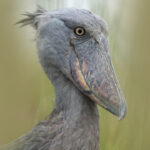
Mabamba Swamp delivers one of Africa’s most reliable wildlife experiences—Shoebill viewing. Local guides pole traditional canoes through papyrus channels, bringing you within camera range of these prehistoric birds. The experience requires no walking and minimal physical exertion, making it accessible for all ages and fitness levels.
Queen Elizabeth National Park combines spectacular scenery with abundant birdlife. The Kazinga Channel boat cruise is a highlight, offering close views of waterbirds from a comfortable vessel. The park’s well-maintained roads provide easy access to savannah birding, with regular sightings of Secretary Bird, Saddle-billed Stork, and numerous raptors.
Essential Gear for Beginner Birders
You do not need expensive equipment to enjoy birding in Uganda. Many beginners start with basic gear and upgrade as their interest grows.
Binoculars: A good pair of binoculars is your most important tool. For beginners, 8×42 or 10×42 models offer the best balance of magnification and stability. Many tour operators can provide binoculars for those who have not yet purchased their own.
Field Guide: “Birds of East Africa” by Stevenson and Fanshawe is the standard reference. Your guide will help you navigate it, and you will quickly learn to identify key families and species.
Clothing: Neutral colors (khaki, olive, brown) help you blend into the environment. Layers are essential as mornings can be cool, warming significantly by midday. Comfortable, closed-toe walking shoes are recommended for trail walks.
Notebook and Pen: Keeping a simple list of birds you see adds to the enjoyment. Your guide will help you record species and share interesting facts about each.
Camera: Any camera can capture memories. Even smartphone photography through binoculars (digiscoping) can produce satisfying images of your sightings.
Birding Tours for Beginners: Species You Will See
One of the joys of beginner birding in Uganda is the high likelihood of seeing iconic species that experienced birders travel worldwide to find. These guaranteed sightings ensure your first birding tour is rewarding.
African Fish Eagle: Uganda’s national bird is common along lakes and rivers. Its distinctive call and dramatic fishing dives provide unforgettable moments for new birders.
Great Blue Turaco: This spectacular bird, with brilliant blue, red, and green plumage, is regularly seen in Entebbe Botanical Gardens and forest edges. Its size and color make it easy to spot and identify.
Malachite Kingfisher: A jewel of Uganda’s waterways, this tiny kingfisher dazzles with bright blue and orange plumage. Boat trips on the Kazinga Channel and Lake Mburo offer excellent viewing opportunities.
Shoebill: Uganda offers the world’s most reliable Shoebill sightings. With an experienced guide at Mabamba Swamp, success rates exceed 95%—an extraordinary statistic for any wildlife experience.
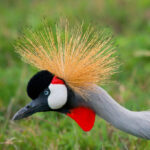
Crowned Crane: Uganda’s national bird (shown on the flag) is elegant and photogenic, commonly seen in wetlands and grasslands across the country.
Choosing the Right Beginner Tour
Several factors help determine which tour best suits your needs as a beginner birder.
Group Size: Smaller groups (4-8 participants) offer more personalized attention. The 7-Day Affordable Group Birding Safari limits group size to 14, providing a social experience while ensuring individual guidance.
Duration: Shorter tours (5-7 days) focus on 2-3 key locations, reducing travel time and allowing deeper exploration. Longer tours (10-14 days) cover more habitats but require more stamina.
Accommodation Style: Lodges and tented camps vary from basic to luxury. Beginners often appreciate lodges with comfortable common areas where they can relax, review sightings, and connect with fellow birders.
Guide Expertise: Experienced guides who enjoy working with beginners make all the difference. Look for guides who communicate clearly, demonstrate patience, and share genuine enthusiasm for teaching.
Frequently Asked Questions
Do I need previous birding experience to join a Uganda birding tour?
Absolutely not. Beginner tours are specifically designed for those with no prior experience. Guides provide instruction on using binoculars, identifying birds, and understanding behavior. You will learn as you go.
What is the best time of year for a beginner birding tour?
December to February offers the driest conditions and easiest trail access. November and March combine good weather with migratory bird arrivals, adding species without complicating travel.
How physically demanding are beginner birding tours?
Tours are designed for reasonable fitness levels. Walking distances are typically 3-5 kilometers per day on gentle trails. Vehicle-based birding and boat cruises offer options for those preferring less walking.
What is the Shoebill viewing success rate for beginners?
With experienced local guides, Shoebill viewing success at Mabamba Swamp exceeds 95%. The experience requires minimal physical exertion—a calm canoe ride through papyrus channels.
Can children join beginner birding tours?
Yes, many families enjoy birding together. The 7-Day Affordable Group Birding Safari welcomes families, with activities suitable for children. Discuss age and interests when booking to ensure appropriate pacing.
Conclusion
Uganda offers an exceptional introduction to the world of birding. With abundant species, expert guides, comfortable accommodations, and accessible locations, birding tours for beginners transform first-time birders into lifelong enthusiasts. The combination of reliable sightings of iconic species like Shoebill and African Fish Eagle, combined with patient instruction and well-designed itineraries, ensures your first birding experience is rewarding and memorable. Whether you join a group safari or arrange a private tour, Uganda’s avian treasures await your discovery. Begin your birding journey in the Pearl of Africa, where every day brings new species, new knowledge, and new appreciation for the natural world.