Crafting the perfect birding tour Uganda itinerary requires balancing species targets, travel logistics, seasonal timing, and personal preferences. With over 1,000 bird species distributed across ten national parks and numerous wetlands, Uganda offers tremendous flexibility in itinerary design. Whether you have seven days for a focused introduction or fourteen days for a comprehensive exploration, careful planning ensures you maximize bird sightings while enjoying comfortable travel between locations.
This guide provides expert insights into structuring your ideal birding adventure, covering prime destinations, recommended durations, seasonal considerations, and practical logistics that transform a good itinerary into an exceptional birding experience.
Factors to Consider When Planning Your Itinerary
Several key factors influence the structure of your birding itinerary. Understanding these elements helps you make informed decisions that align with your goals and constraints.
Seasonal Timing: Birding conditions vary significantly across the year. December to February offers the driest conditions with accessible forest trails. November and March bring Palearctic migrants, adding over 200 species to the bird count. April to May and October see heavier rains that can make some forest trails muddy but offer lush landscapes and breeding plumage displays.
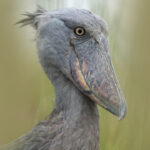
Target Species: Your species wishlist determines which destinations to prioritize. Shoebill requires Mabamba Swamp or Murchison Falls. Albertine Rift endemics require Bwindi or Mgahinga. Forest specials like Green-breasted Pitta require Kibale. Savannah birds are best in Murchison Falls, Queen Elizabeth, or Kidepo.
Duration: The number of days available dictates the geographic scope. Seven-day itineraries typically focus on 2-3 locations within a manageable circuit. Ten-day itineraries allow deeper exploration of 3-4 locations. Fourteen-day itineraries can cover 5-6 locations, including the remote and rewarding Kidepo Valley.
Pace and Comfort: Consider your preferred travel rhythm. Some birders enjoy moving every 1-2 days to maximize habitat diversity. Others prefer staying 3-4 days per location, allowing deeper exploration and more relaxed mornings. Uganda’s road conditions vary, with longer travel days between some parks requiring realistic expectations.
Birding Tour Uganda Itinerary: Seven-Day Options
For those with limited time, a seven-day birding tour Uganda itinerary can deliver exceptional experiences by focusing on the most accessible and productive locations.
Option A: Classic Shoebill and Savannah Circuit
-
Day 1: Arrival Entebbe, afternoon birding at Entebbe Botanical Gardens
-
Day 2: Morning Mabamba Swamp for Shoebill, transfer to Murchison Falls
-
Day 3: Murchison Falls Delta boat cruise, afternoon northern bank birding
-
Day 4: Morning birding Murchison, transfer to Kibale Forest
-
Day 5: Kibale Forest birding for forest species and Green-breasted Pitta
-
Day 6: Transfer to Queen Elizabeth, afternoon Kazinga Channel boat cruise
-
Day 7: Morning birding Queen Elizabeth, transfer to Entebbe for departure
This itinerary targets 250-300 species across five distinct habitats: papyrus wetland, riverine forest, savannah, tropical forest, and wetland/waterbird habitats.
Option B: Albertine Rift Endemics Focus
-
Day 1: Arrival Entebbe, transfer to Lake Mburo
-
Day 2: Morning birding Lake Mburo, afternoon transfer to Bwindi
-
Day 3: Bwindi birding (Buhoma sector) for forest species
-
Day 4: Bwindi birding (Ruhija sector) for Albertine Rift endemics
-
Day 5: Transfer to Queen Elizabeth, afternoon Kazinga Channel
-
Day 6: Morning birding Queen Elizabeth, transfer to Entebbe area
-
Day 7: Morning Mabamba Swamp for Shoebill, afternoon departure
This itinerary focuses on Albertine Rift endemics in Bwindi while including Shoebill and savannah birds. Expect 200-250 species with high endemic counts.
Ten-Day Comprehensive Itinerary
A ten-day itinerary allows deeper exploration of Uganda’s premier birding locations while maintaining comfortable pacing.
Suggested Ten-Day Birding Itinerary:
-
Day 1: Arrival Entebbe, afternoon Entebbe Botanical Gardens
-
Day 2: Morning Mabamba Swamp Shoebill, transfer to Murchison Falls
-
Day 3: Murchison Falls Delta boat cruise, afternoon northern bank
-
Day 4: Morning birding Murchison, transfer to Kibale Forest
-
Day 5: Full day Kibale Forest birding (Kanyanchu River and Bigodi)
-
Day 6: Morning birding Kibale, transfer to Queen Elizabeth
-
Day 7: Queen Elizabeth morning birding, afternoon Kazinga Channel
-
Day 8: Transfer to Bwindi, afternoon birding in Buhoma sector
-
Day 9: Full day Bwindi birding (Ruhija sector for endemics)
-
Day 10: Morning birding Bwindi, transfer to Entebbe for departure
Expected Species: 350-400 species including Shoebill, Albertine Rift endemics, forest specials, and abundant savannah and waterbirds.
Key Highlights:
-
Reliable Shoebill sightings at Mabamba Swamp
-
Green-breasted Pitta opportunities in Kibale
-
Albertine Rift endemics in Bwindi including African Green Broadbill
-
Spectacular waterbird photography on Kazinga Channel
-
Diverse habitats from papyrus to montane forest
Fourteen-Day Ultimate Birding Itinerary
For serious birders seeking maximum species counts and access to remote locations, a fourteen-day itinerary covers Uganda’s most diverse habitats.
Extended Fourteen-Day Birding Itinerary:
-
Days 1-2: Entebbe area, Mabamba Swamp, and Lake Victoria wetlands
-
Days 3-4: Murchison Falls National Park (Delta and northern bank)
-
Day 5: Budongo Forest (for forest species and chimpanzees)
-
Days 6-7: Kibale Forest (Green-breasted Pitta and forest specials)
-
Days 8-9: Queen Elizabeth National Park (Kazinga Channel and savannah)
-
Days 10-11: Bwindi Impenetrable Forest (Albertine Rift endemics)
-
Day 12: Lake Mburo National Park (acacia-associated species)
-
Days 13-14: Return to Entebbe, departure
Optional Extension: Kidepo Valley
For the ultimate species count, add Kidepo Valley National Park in northeastern Uganda. This remote park hosts Somali-Masai biome species found nowhere else in Uganda, including Ostriches, Kori Bustards, and unique dry-country birds. Add 4-5 days for this extension, which requires charter flight or extended road travel.
Expected Species: 450-550 species for the fourteen-day itinerary, approaching 600 with the Kidepo extension.
Seasonal Considerations for Itinerary Planning
The timing of your birding tour significantly impacts species availability and viewing conditions.
November to March (Dry Season with Migrants): This window offers optimal conditions for most itineraries. Forest trails are accessible, and Palearctic migrants add 200+ species. December to February provides the driest conditions with clear skies perfect for photography.
April to May (Wet Season): Heavy rains can make some forest trails challenging, but resident birds are in breeding plumage, and this period offers lower tourist numbers. Some lodges offer reduced rates during this season.
June to August (Dry Season, Resident Focus): Excellent conditions with clear skies and accessible trails. Migratory birds have returned north, allowing focus on resident species and endemics. This is the best period for Albertine Rift endemics in Bwindi.
September to October (Short Rains): Moderate rains with occasional muddy conditions. This period offers good birding with fewer tourists. Breeding plumage for many species remains vibrant.
Accommodation and Transport Logistics
Successful itinerary planning requires realistic assessment of travel times and accommodation availability.
Travel Times Between Key Locations:
-
Entebbe to Murchison Falls: 5-6 hours
-
Murchison Falls to Kibale: 5-6 hours
-
Kibale to Queen Elizabeth: 2-3 hours
-
Queen Elizabeth to Bwindi: 3-4 hours
-
Bwindi to Lake Mburo: 4-5 hours
-
Lake Mburo to Entebbe: 4-5 hours
Accommodation Booking: Book lodges well in advance, especially during peak seasons (December-February, June-August). Many prime birding lodges have limited capacity and fill months ahead. Your tour operator should secure reservations early.
Vehicle Requirements: A 4×4 safari vehicle with pop-up roof is essential for birding. These vehicles allow elevated viewing and provide stability for photography. Ensure your vehicle has a qualified driver-guide who knows birding locations and can identify species.
Frequently Asked Questions
How many species can I expect on a 10-day birding tour?
A well-planned 10-day itinerary visiting 3-4 key locations typically yields 350-400 species. Experienced guides targeting specific species can achieve higher counts.
What is the best itinerary for Shoebill and Albertine Rift endemics?
A 10-12 day itinerary combining Mabamba Swamp, Bwindi, and Kibale delivers both Shoebill and endemics. Add Murchison Falls for additional Shoebill opportunities and savannah species.
Can I combine gorilla trekking with birding?
Yes, many itineraries combine both. Bwindi offers both exceptional birding and gorilla trekking. Add 1-2 days and budget $800 for the gorilla permit.
How far in advance should I plan my birding itinerary?
Start planning 6-12 months in advance for peak seasons. This allows time for lodge bookings, permit acquisition (especially for gorilla trekking), and visa processing.
What is the best duration for a first-time birding visit?
A 10-12 day itinerary offers the best balance for first-time visitors, allowing coverage of Uganda’s key birding habitats without excessive travel days or fatigue.
Conclusion
Thoughtful birding tour Uganda itinerary planning transforms a good birding experience into an exceptional one. By balancing seasonal timing, target species, duration, and logistical realities, you can craft an itinerary that maximizes sightings while ensuring comfortable travel. Whether you choose a focused seven-day introduction or an ambitious fourteen-day comprehensive tour, Uganda’s extraordinary bird diversity and expert guiding infrastructure ensure rewarding results. Work with experienced local operators who understand the nuances of each location, and prepare for an unforgettable birding adventure in the Pearl of Africa.